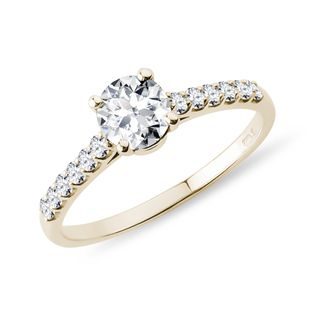
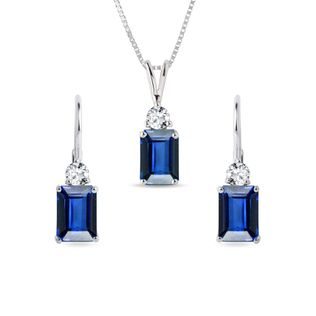
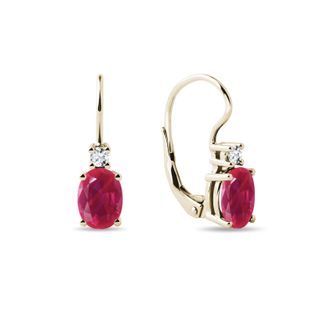
Investing in jewelry means combining two things that don't usually go together–aesthetic enjoyment and financial security. At the KLENOTA studio, we focus on creating jewelry that not only embodies beauty and craftsmanship, but also holds its value over time. Whether you are drawn to the sparkle of diamonds, the warm shine of gold, or the charm of vintage pieces, well-chosen jewelry can be both beautiful to look at as well as a great way to preserve value.
Why jewelry has investment potential
Gold, platinum, and precious stones have retained their value for centuries, regardless of fashion trends. In the first half of 2025 for instance, the price of gold rose by more than 25% at a time when other commodities fluctuated. What’s more, jewelry has one advantage over gold bullion: you can wear it, enjoy it, and know that it’s an asset with long term value. At KLENOTA, we therefore work exclusively with 14k gold and carefully selected stones that meet strict quality and aesthetic standards.
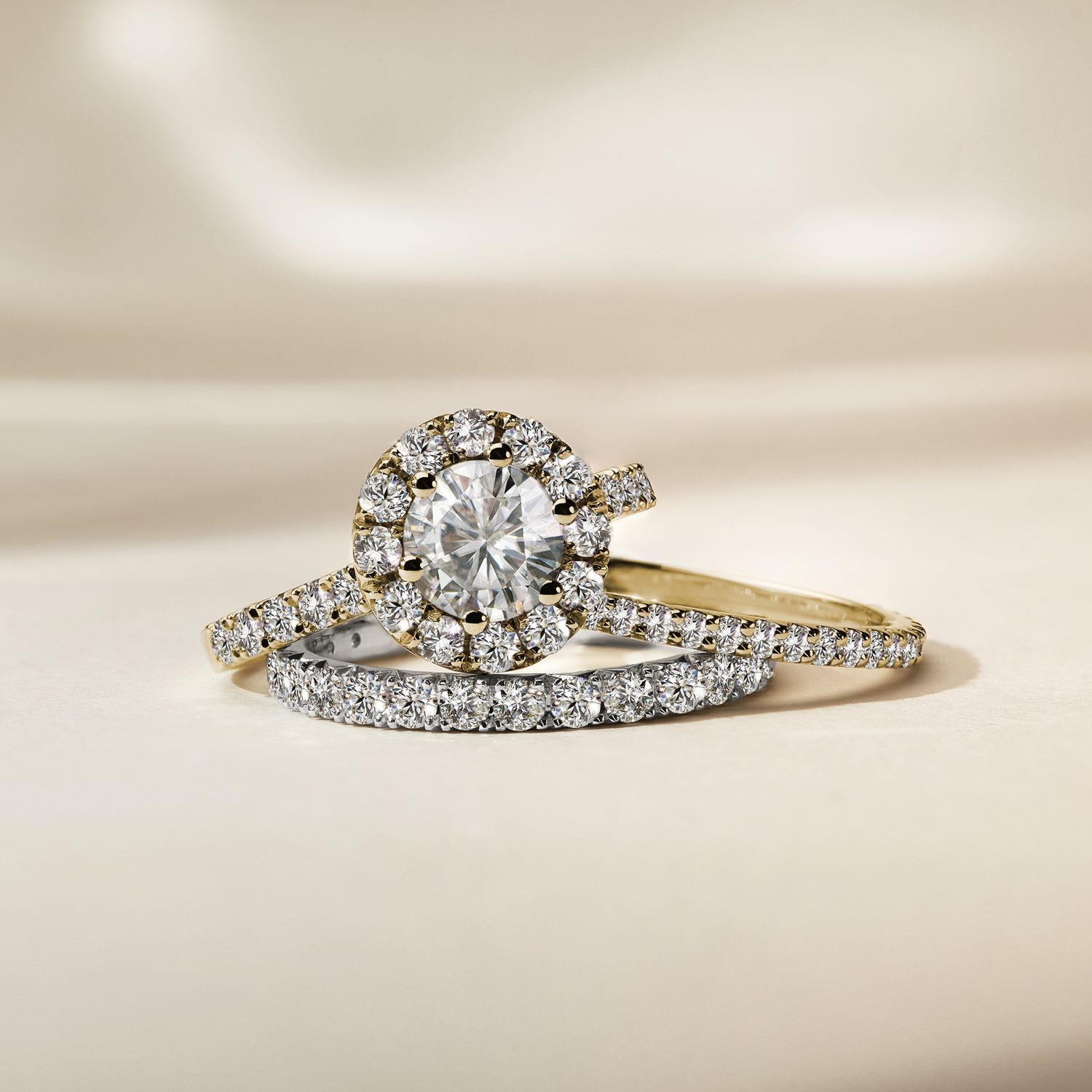
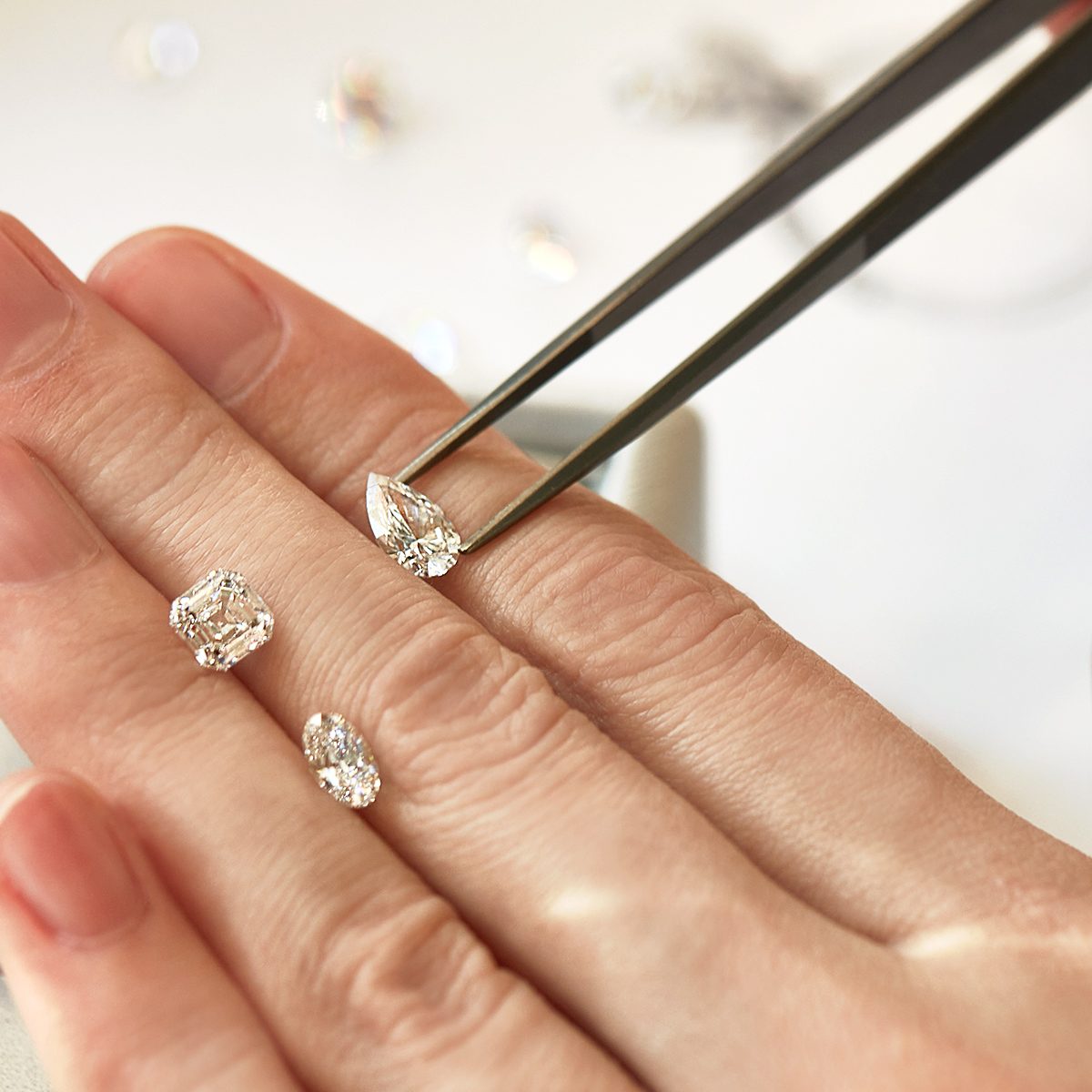
The basic rules of choosing the best diamond
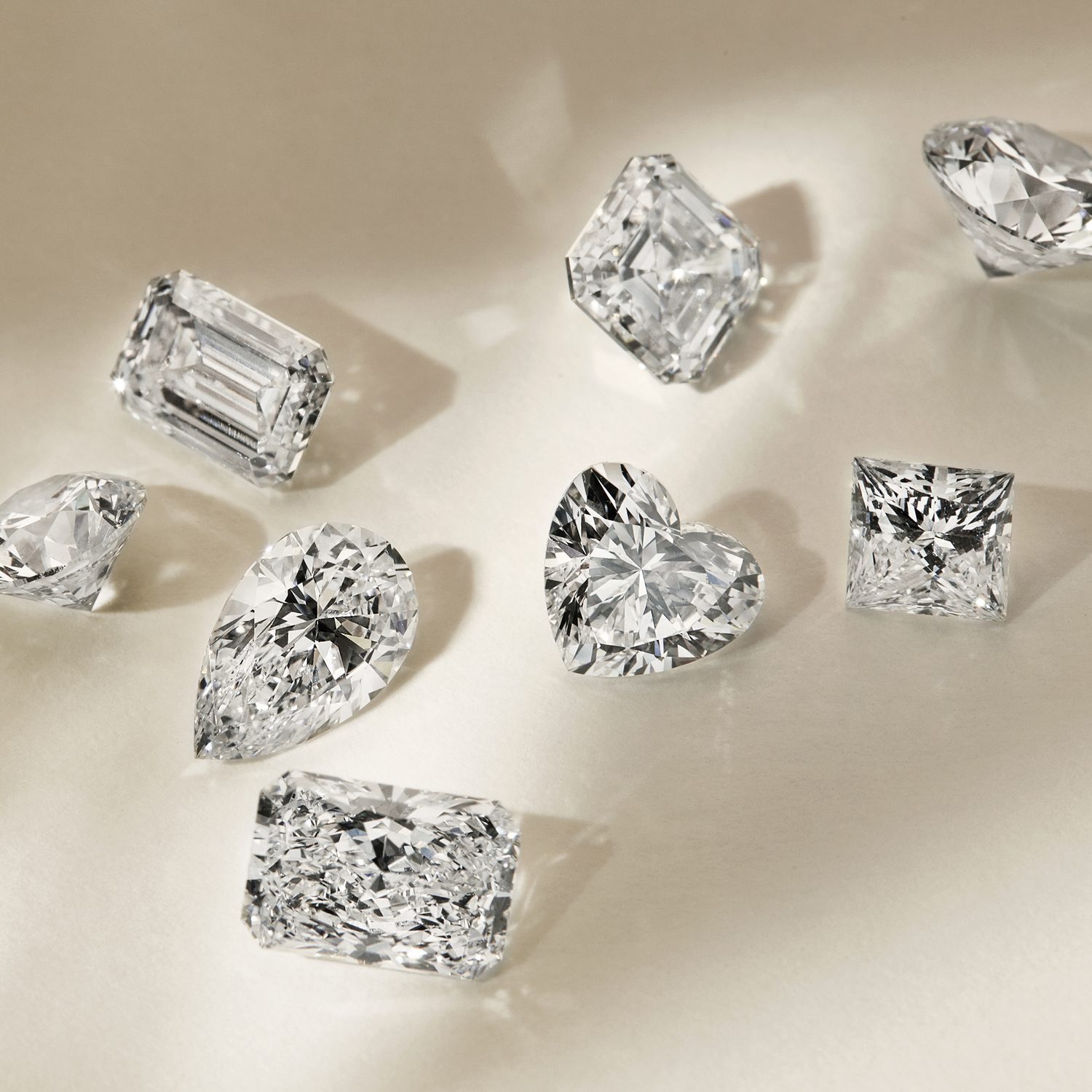
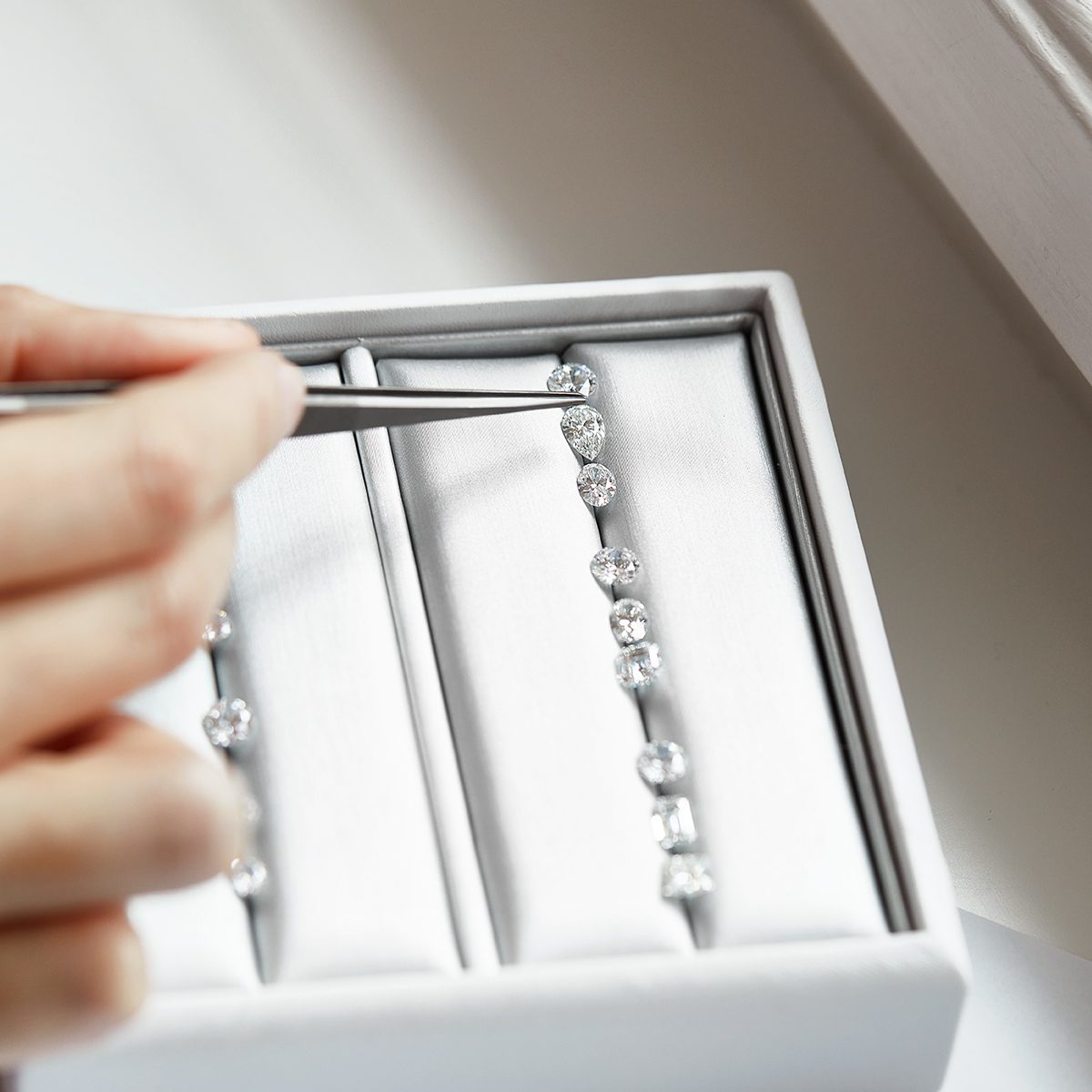
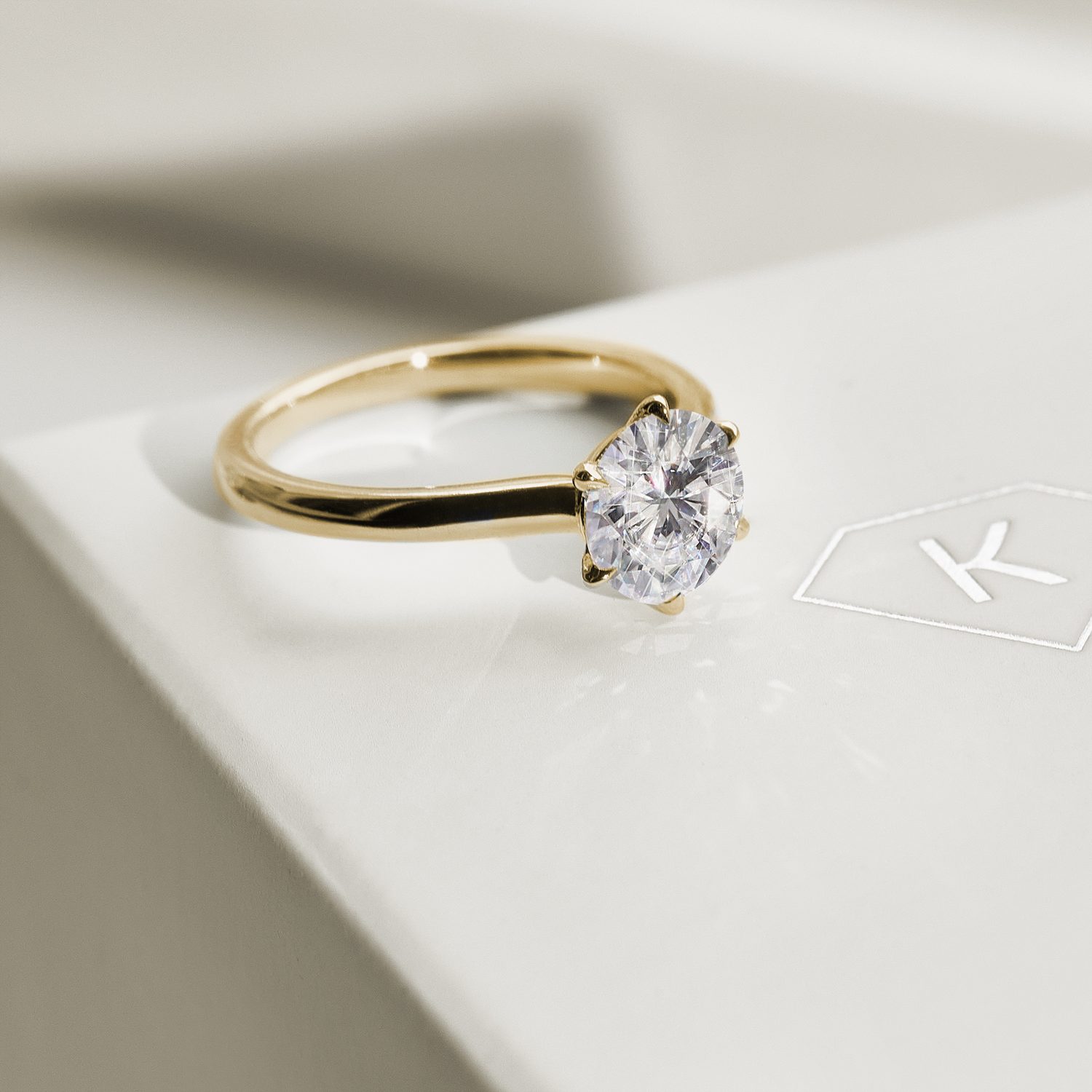
The value of diamonds is determined by the 4Cs–carat (weight), clarity, color, and cut. The better the combination of these four factors, the higher the value of the stone. An investment diamond often comes in a better grade of color (D-E), with exceptional clarity (VS1-IF), and a precision cut that allows for an excellent play of light. With every piece of diamond jewelry you buy from KLENOTA, you will receive a GIA certificate which guarantees that what you have just bought is exactly the quality we advertised.
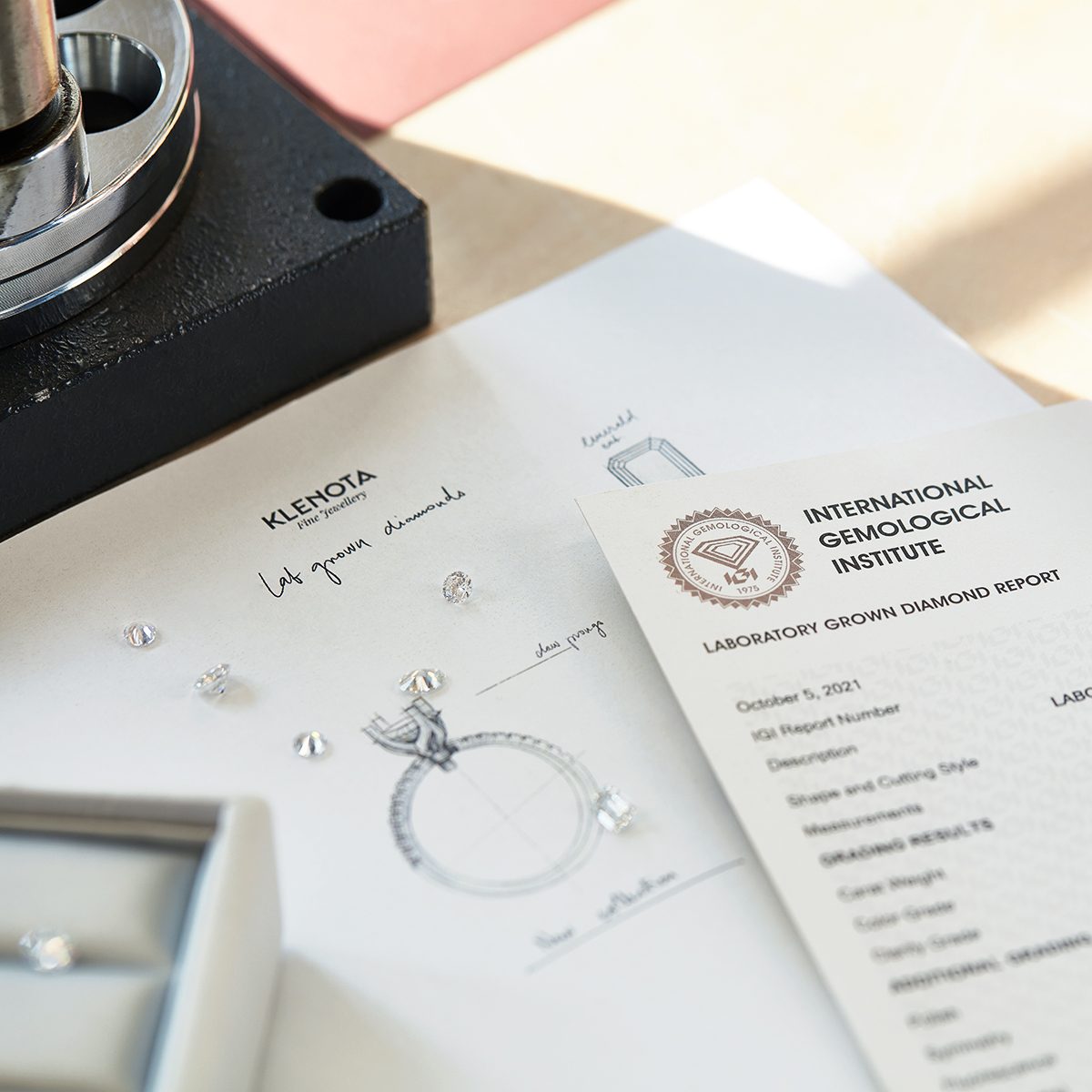
TIP: You can learn more about the grading of diamonds based on the 4Cs in our detailed blog article.
Is it worth investing in lab grown diamonds?
So now you know how to recognize a quality investment diamond. But what about lab grown diamonds? Laboratory diamonds are an ethical and increasingly popular alternative to natural diamonds, yet their market value is significantly lower at the moment. However, in key parameters such as hardness, luster, and optical properties, they are virtually indistinguishable from natural diamonds. So, if you are looking for jewelry with a durable and visually impressive stone, a lab grown diamond may be an attractive option, especially if a significant return on investment is not a priority for you.
Gold and platinum: certainty hidden in metal
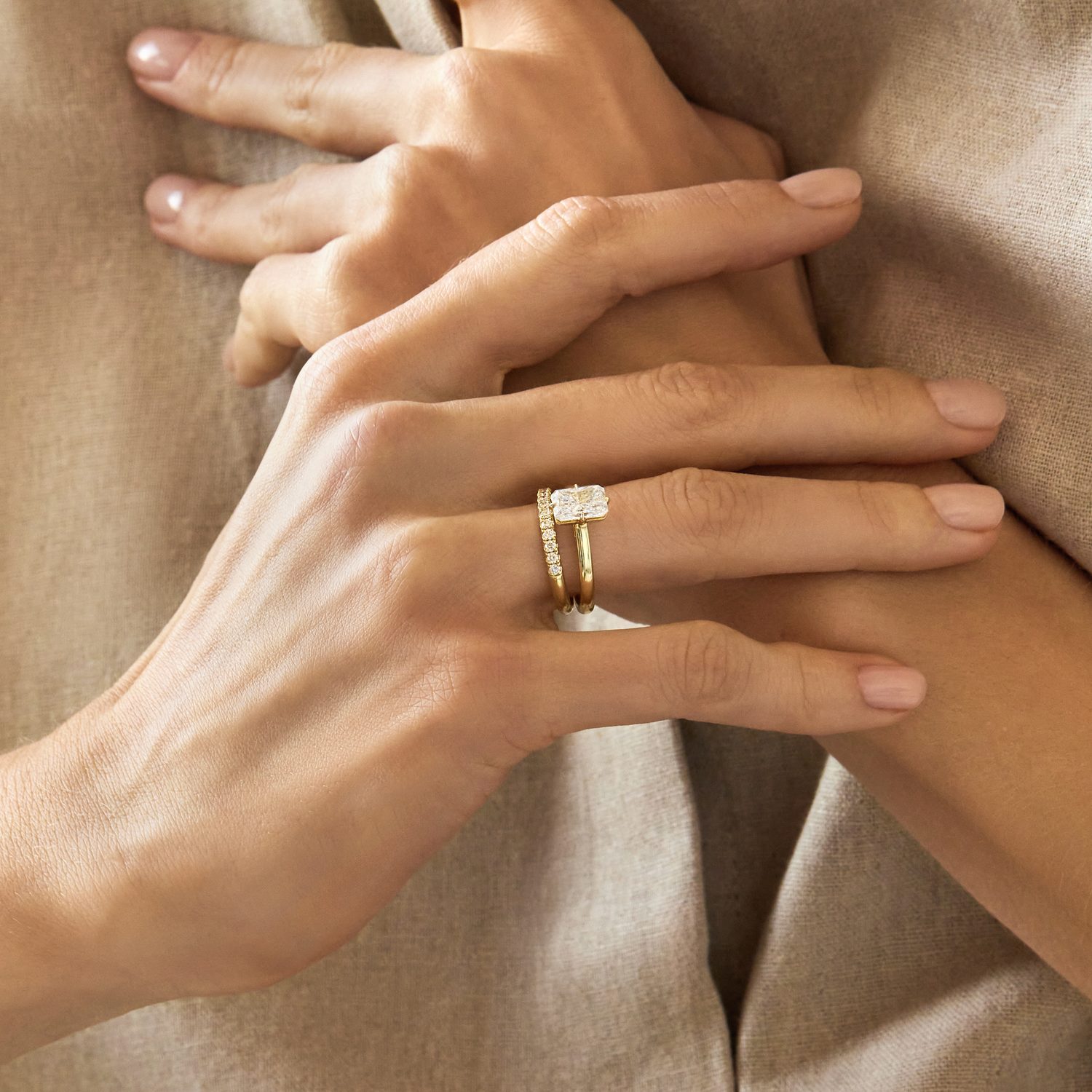
How can you tell if gold is genuine? You can confirm its authenticity and purity via the hallmark that is stamped on the metal. When it comes to investing, the recommended purity is 18k gold since it is the ideal ratio between hardness and percentage of precious metal. Platinum is even rarer and has seen growing interest in recent years, which is also now reflected in its price.
Color gemstones with the greatest investment potential
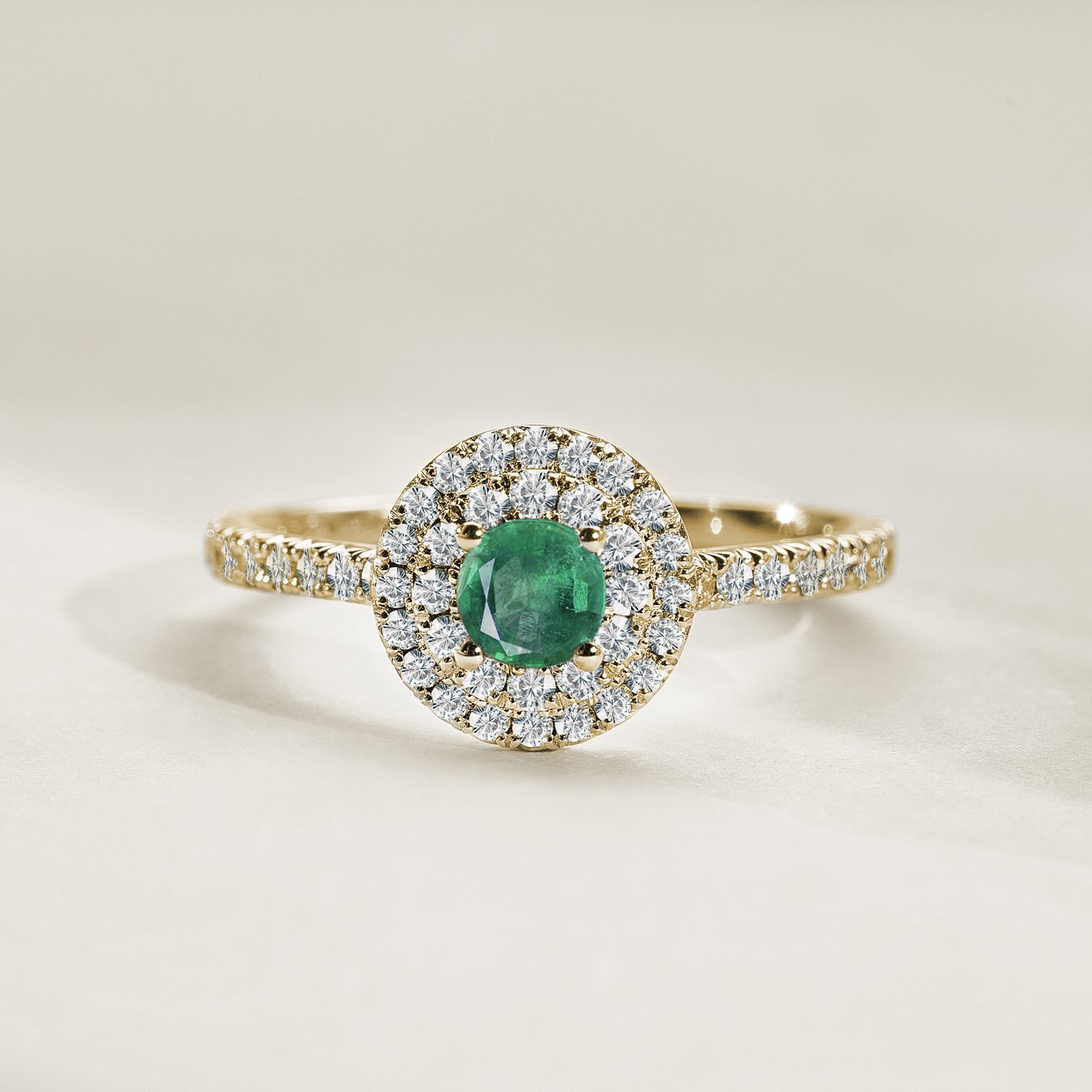
When it comes to color gemstones, rubies, sapphires, and emeralds are some of the best gemstones for investing. Natural stones with international certificates and documented provenance have the highest value. The rarest rubies are the deep red “pigeon blood” rubies from Myanmar, the rarest sapphires are from Kashmir and Sri Lanka, and the rarest emeralds are deep green stones from the Muzo and Chivor mines in Colombia. The prices of these stones have been rising due to limited mining and strong demand, especially in Asia. For investment purposes, choosing pieces that weigh over 1 carat is recommended, as is buying them from verified sellers. You should expect their value to rise over the longer term.
Vintage jewelry as an investment
Rubies, sapphires, and emeralds often appear in heritage jewelry. This is jewelry that is passed down from generation to generation. Old jewels have a special charm–from art deco to Victorian rings through iconic pieces from the 20th century. Their value is based on their rarity, condition, and a clearly documented provenance. If you find such pieces in excellent condition, they can become a valuable collector's item. At the same time, with the growing interest in investing in jewelry with color gemstones, you can also create your own generational jewelry whose story will begin with you.
How to check the authenticity and value of investment jewelry
At the time you buy it, you should always ask about the origin of the jewelry and have it professionally appraised. The difference between the market value and the insurance value can be significant. The market price is based on the current value of gold or gemstones on the market and is usually lower due to a buyback discount (usually 5-10%), while insurance value also takes into account the craftsmanship and aesthetic value of the jewelry and is therefore higher. This information is essential for insurance purposes. A jewelry appraisal is done by a specialist and takes into account the purity, weight, value of the stones, the condition of the jewelry and any markings on it.
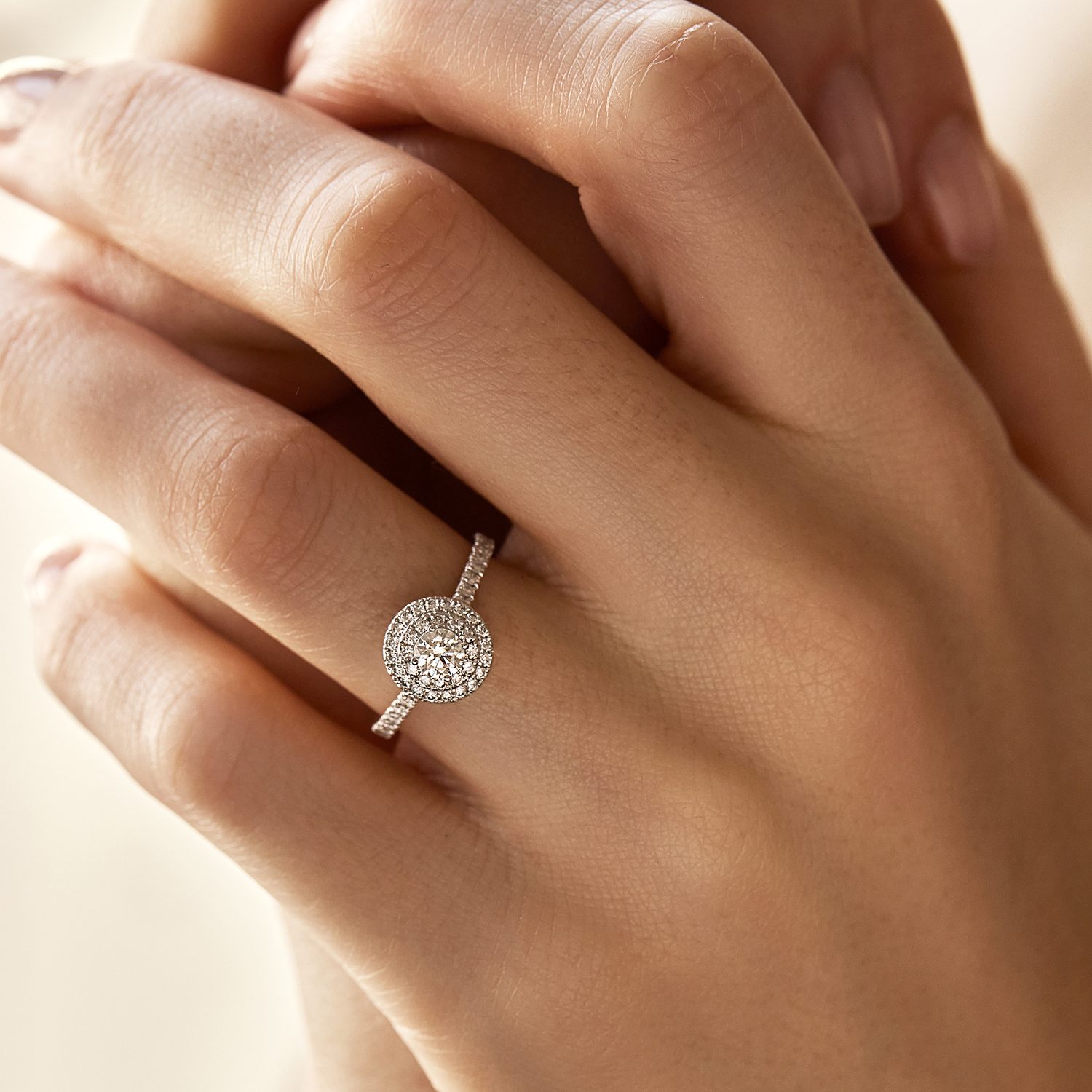
If you are still in the process of looking for jewelry, it’s worth being guided by a few practical tips:
-
Buy from trusted experts who can provide you with proof regarding the origin of the jewelry.
-
For jewelry with gemstones, always ask about the origin of the stone and request certificates confirming this. At KLENOTA, we personally select stones at international trade fairs and work only with trusted suppliers.
-
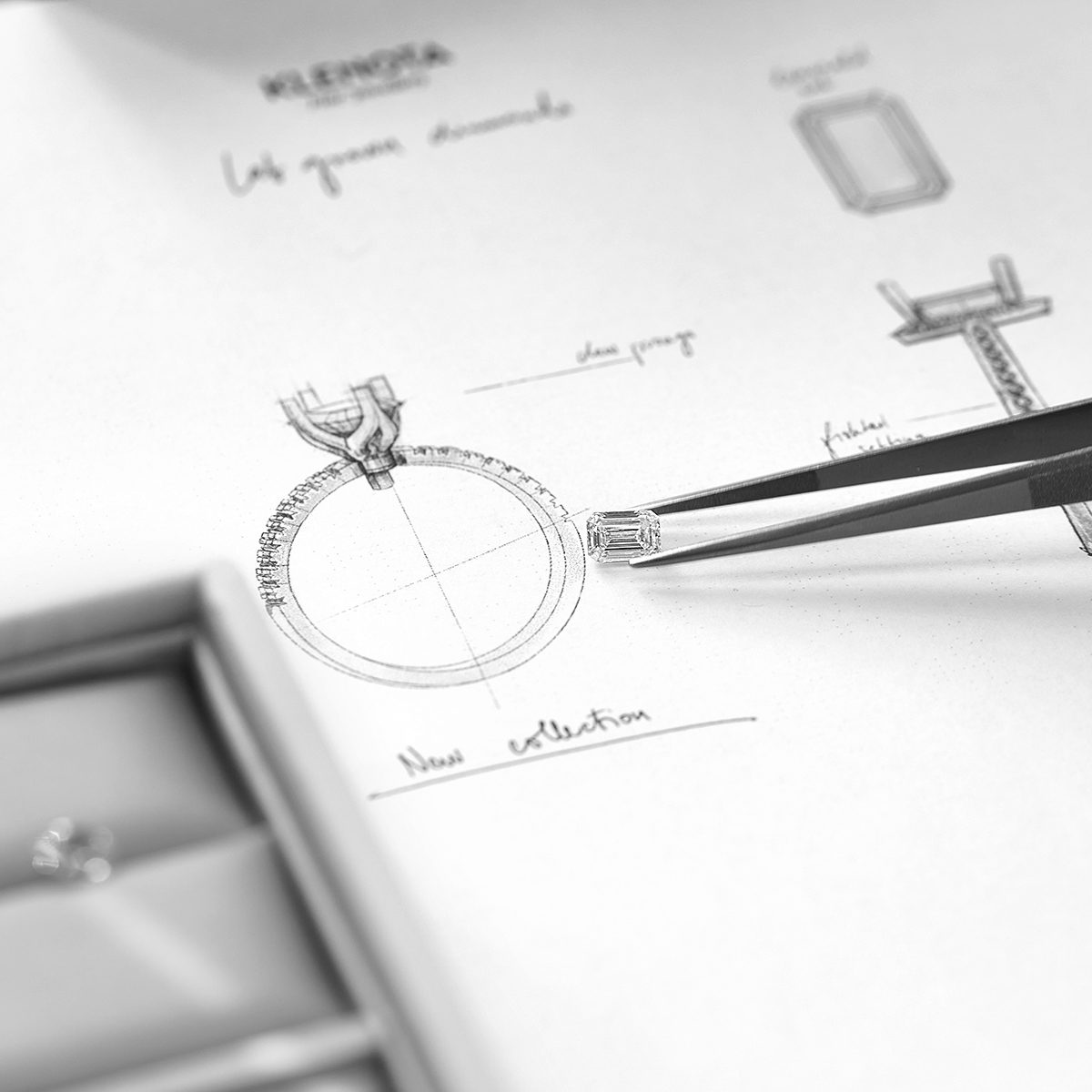
Take an interest in the production process–whether the jewelry was made locally or externally. At the KLENOTA studio, all jewelry is handcrafted in the historic center of Prague with an emphasis on detailed, precision craftsmanship.
When and where to sell investment jewelry
You can sell jewelry through an auction house, a reputable dealer, or a specialized online marketplace. Each method has its own considerations–auctions often result in the highest price while the benefit of direct sales is faster liquidity.
In conclusion
Investment jewelry is something that can bring you joy every day while also retaining its value for future generations. At KLENOTA, we believe that by combining quality materials with precision craftsmanship we create jewelry whose value increases over time. Browse our collection of diamond jewelry, gold rings, and other timeless pieces that pair aesthetics with financial security.
summary
How do you identify investment jewelry with lasting value?
Investment jewelry is crafted with precision, using high quality materials, and it comes with a documented provenance. A certificate and an excellent condition increase its value.
What does the 4C rating mean for diamonds and why is it important for investment jewelry?
The 4Cs (Carat, Clarity, Color, Cut) determine the quality and price of a diamond. Investment diamonds usually fall within D–E grades in terms of color, VS1–IF in clarity, and they also feature an excellent precision cut.
Is it worth investing in lab grown diamonds?
Lab grown diamonds are ethical and cheaper. They have the same properties as natural diamonds but their growth in market value is slower.
What gemstones have the greatest investment potential?
Rubies, sapphires, and emeralds with certificates and documented provenance are the most valuable. Stones over 1 carat are ideal.
How do you verify the authenticity of gold and gemstones?
The authenticity of gold is confirmed by a hallmark stamped on the jewelry while gemstones are verified by a certificate from a reputable laboratory. An expert appraisal by a gemologist can also help.
Does vintage jewelry have any investment value?
Yes, antique jewelry can be highly valuable when it is rare, in good condition, and comes with proven provenance. Certain periods in history are particularly prized by collectors.
Where and when to sell investment jewelry?
Sales are possible through an auction house, a dealer, or an online marketplace. Auctions can yield a higher price while direct sales are faster.