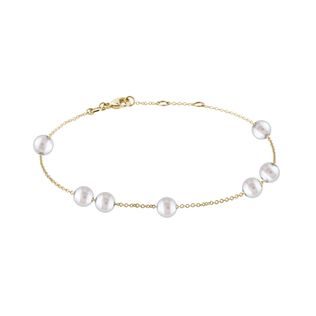
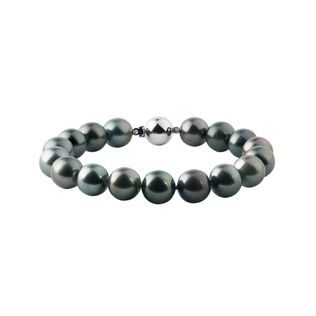
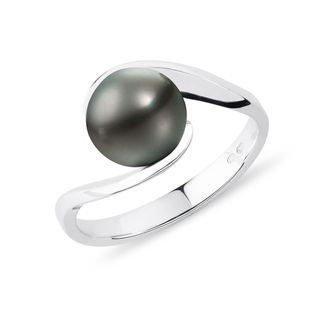
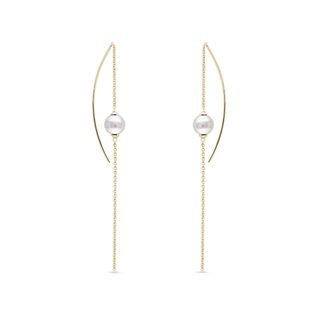
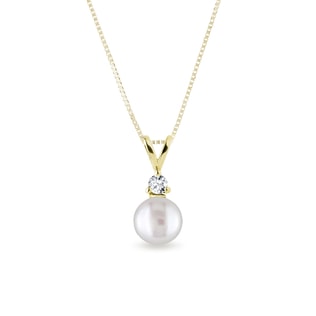
Pearls are considered some of the most iconic types of jewelry. They are exquisite, elegant, and surprisingly varied. Our experts at the KLENOTA studio handle hundreds of pearls every day so we know their qualities down to the smallest detail. What’s more, we also enjoy wearing them ourselves. In this article, we’ll examine how pearls are formed, what the difference is between natural and cultured pearls, how their quality is graded, and how to spot genuine pearls.
How pearls are created and their unique qualities
The secret of how pearls are formed was only discovered in the 18th century. When a small foreign body such as a grain of sand enters a shell, the mollusk gradually coats it with layers of its own nacre. A pearl is therefore the result of a defensive reaction on the part of the mollusks. In fresh water, pearls are created by freshwater or river mussels which are unfortunately now highly endangered due to water pollution. Marine pearls on the other hand mainly come from South Sea pearl oysters.
From a chemical point of view, pearls are a form of calcium carbonate or more specifically, aragonite with a small percentage of protein. It is this structure that gives pearls their characteristic smooth and shiny surface. Pearls typically have a rating of 2.5 - 4.5 on the Mohs scale of hardness which means that they are actually relatively soft, and if we were to scratch them with a sharp object, we could easily damage them. They cannot withstand contact with acids and alkalis which corrode their surface. They lose their luster and their layers of nacre may begin to flake off.
Natural vs. cultured pearls–are there any differences between them?
Natural pearls are formed randomly, in wild oysters or clams, without any human intervention at all. They are therefore extremely rare and it is estimated that only one in about 10,000 wild oysters produce a pearl of jewelry quality.
Cultured pearls are also real pearls but created with human intervention. On pearl farms, a pearl nucleus, usually of natural origin such as a shell polished into a bead, is deliberately inserted into the mollusk in order to start the pearl creation process. The mollusk then gradually coats this nucleus with layers of nacre until a finished pearl is formed. But this process of inserting the nucleus only takes place in marine pearls; no nucleus as such is inserted into freshwater pearls.
The cultivation itself is a process that requires care and time. The oysters are cultivated on farms, checked regularly, and after months or years, the pearls are carefully harvested. It is also crucial to maintain an extremely clean farm environment since only healthy animals can produce beautiful pearls. From a chemical and physical point of view, natural and cultured pearls are practically indistinguishable and the difference lies mainly in their origin and rarity.
Grading the quality of pearls
How can you tell if a pearl is good quality? In practice, there are several quality grades that are used and each has its own code. The highest quality pearls are labeled as AAA, followed by AA and then A. For greater precision, a plus sign is often added—for example, AA+ indicates pearls that are better than AA but not quite up to the level of AAA rated pearls.
Tahitian pearls are graded using a system from A to D where those graded A are considered to be excellent quality. The quality rating then gradually decreases all the way down to D.
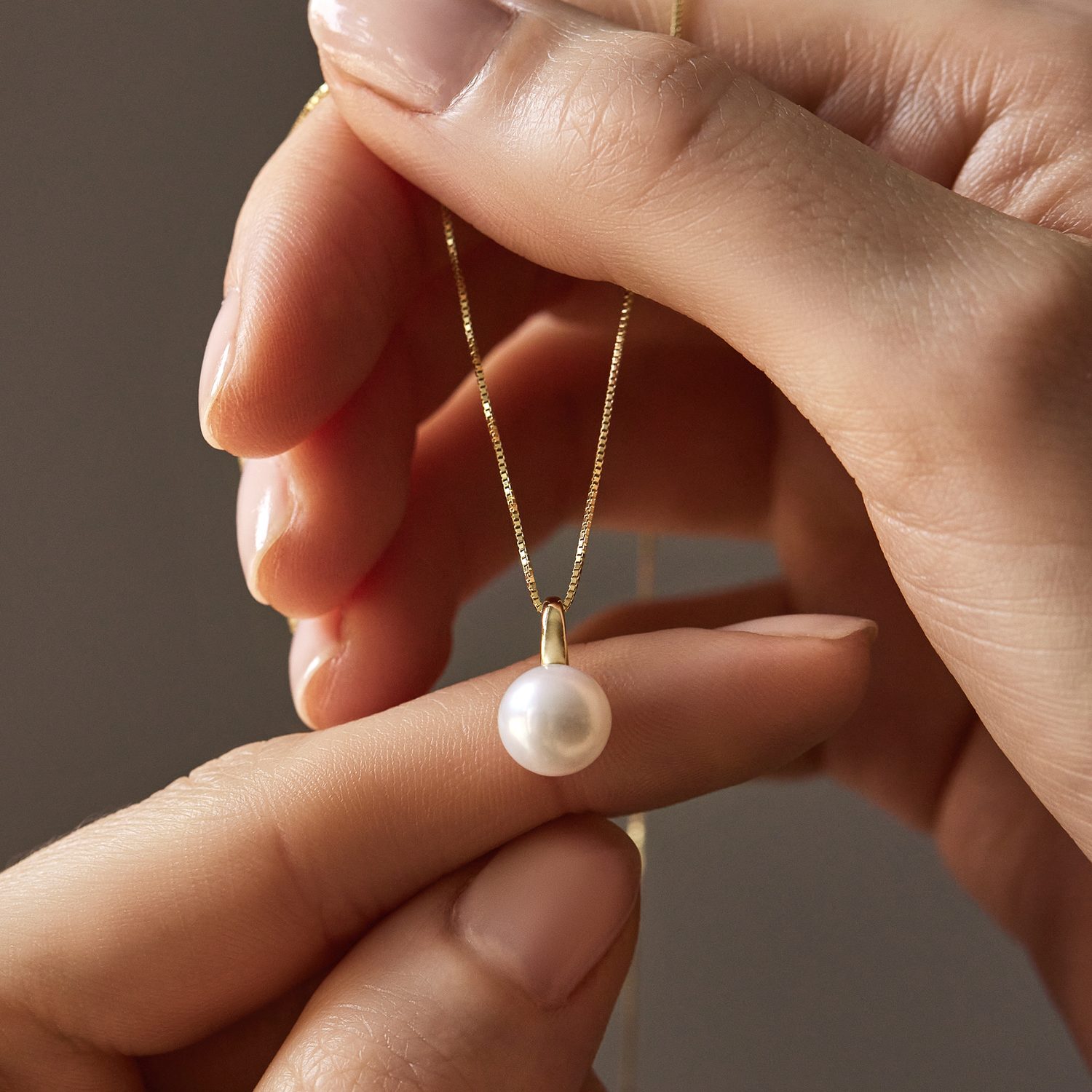
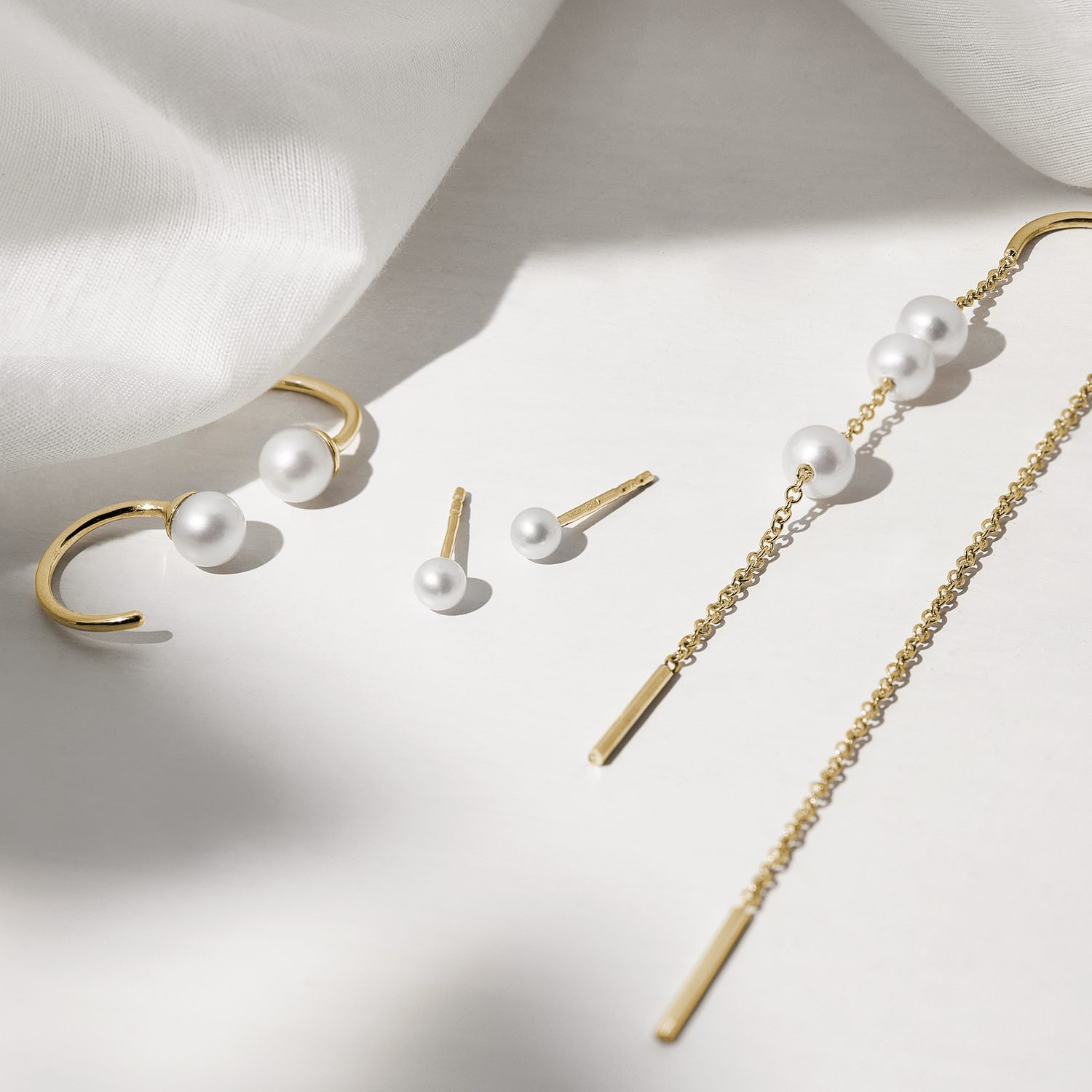
The price of pearls is mainly determined by their size, shape and symmetry, color, and luster. Of all these factors, luster may well be the most important and this fact is something that distinguishes pearls from other precious stones. But a thick layer of nacre doesn’t always mean a higher quality and more lustrous pearl. There are several other factors that are critical such as the thickness, quality, and composition of the nacre, as well as the species and health of the mollusk. We’ll use an example to illustrate this: Akoya pearls have a thin layer of nacre, but their luster is beautiful, almost mirror-like, because the layers of nacre are deposited more slowly, more perfectly and in a more compact way. In contrast, freshwater pearls are composed entirely of nacre, yet their luster is much softer and somewhat silky in quality.
How to spot genuine pearls
In addition to lower-quality pearls, fake pearls also appear on the market. We can usually tell them apart from the real ones by their synthetic surface, unnaturally perfect roundness, and the fact that their layer of color often peels off around the hole where they have been drilled. Nowadays however, there are also imitations which are much better and more difficult to spot.
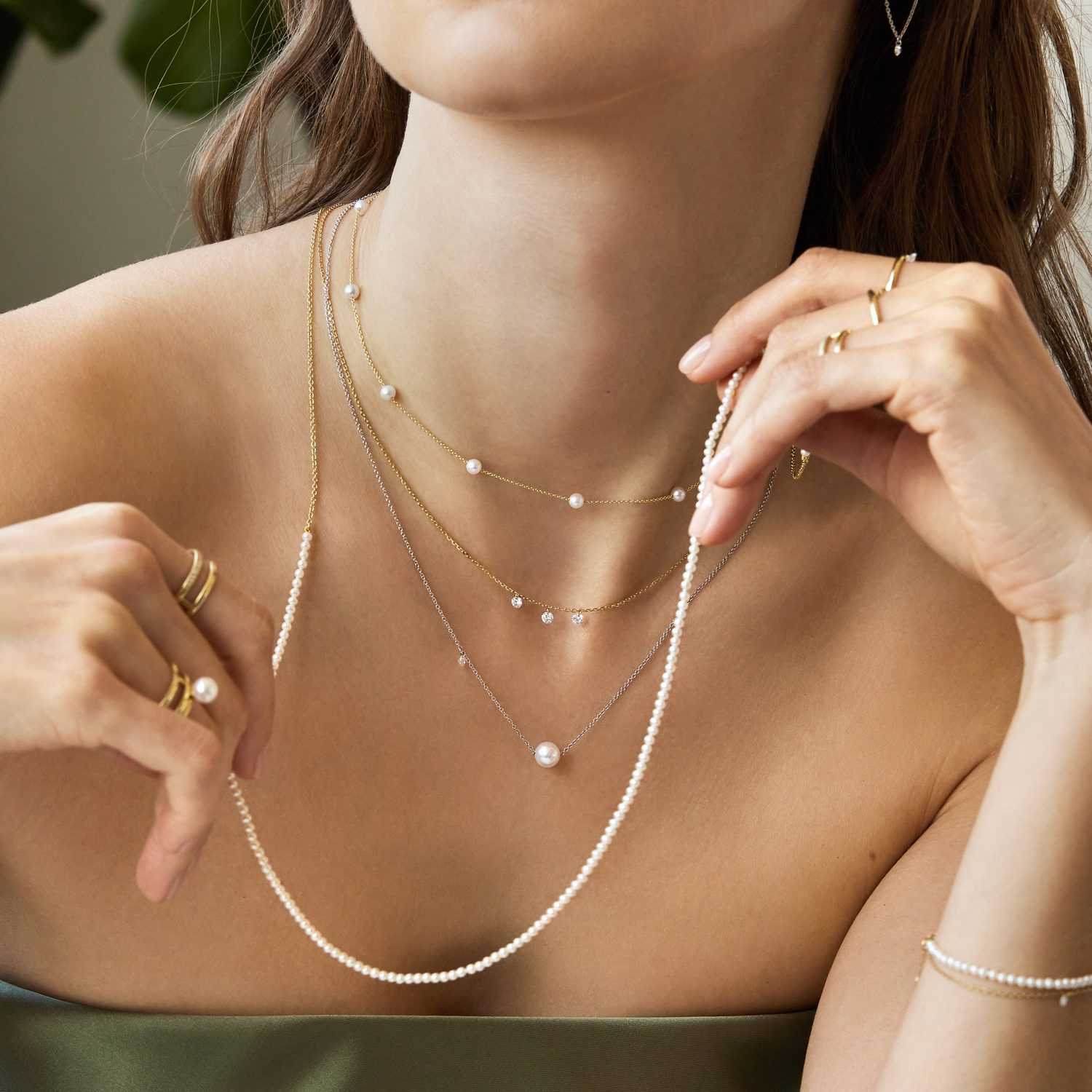
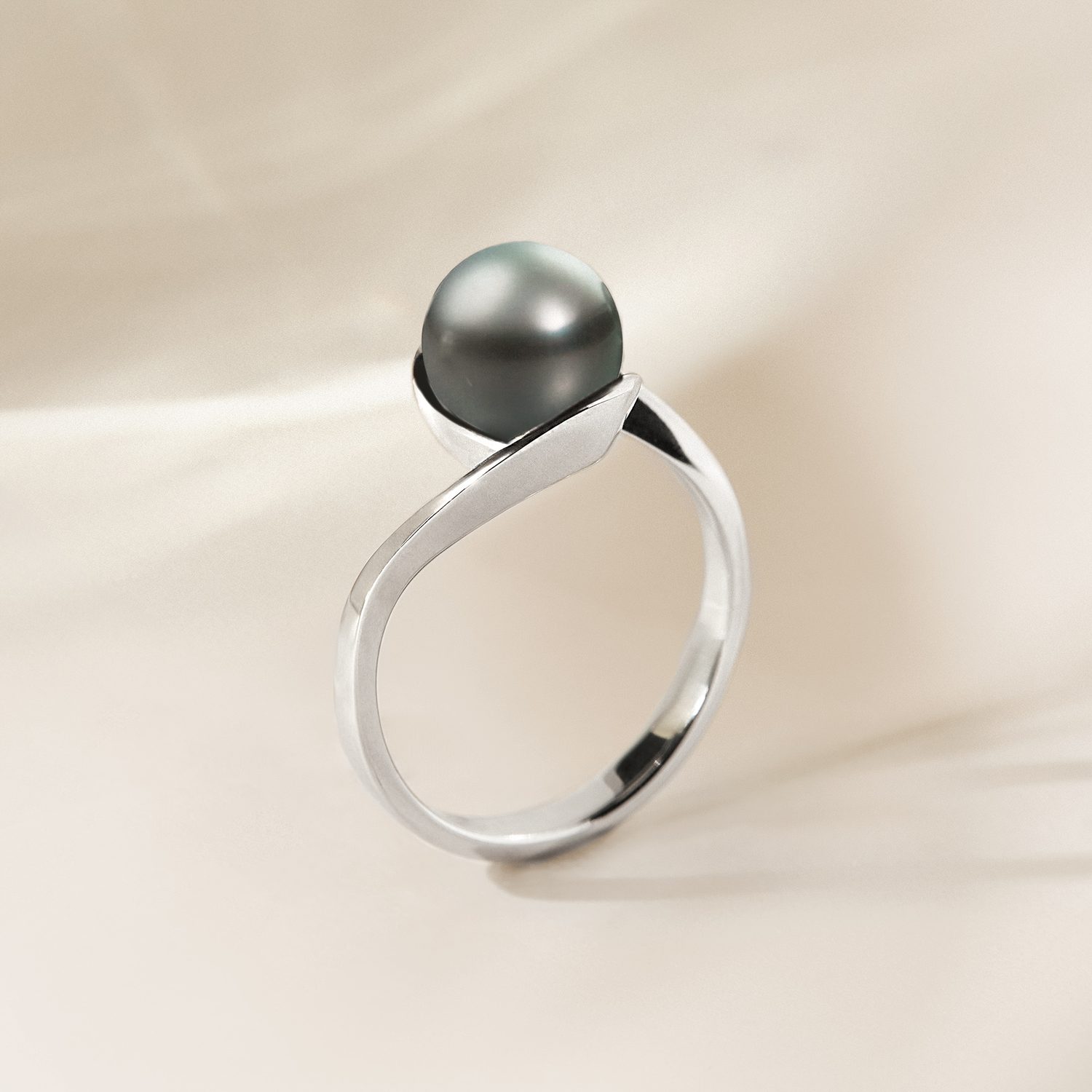
Fake pearls are usually lighter than real ones–a necklace made of real pearls has a certain weight in your hand and around your neck. Another clue is temperature. Real pearls are cool to the touch at first, and only gradually warm up when worn on the body for a while.
There are also a few destructive ways to check whether a pearl is real or not. However, these are done more in laboratories or professional settings. One option is to cut the pearl open and examine it under a magnifying glass to see if it is made up of continuous layers of nacre. Another test is based on the chemical composition of pearls and since they are a form of calcium carbonate with a proportion of protein, they are soluble in acids and alkalis. Theoretically, you could drop a pearl into a glass of vinegar, as Cleopatra is said to have done in her famous bet with Mark Antony. If the pearl begins to dissolve, it is a real pearl. If it stays unchanged, you have an imitation, which you can remove from the solution, rinse, and dispose of as you see fit.
The main types of pearls and their characteristics
Pearls are divided into either marine or freshwater, based on their origin and then furthermore according to the specific type of mollusk in which they formed. Each type of pearl has its own unique characteristics and therefore a different market value based on size, color, shape and thickness of nacre.
Marine pearls
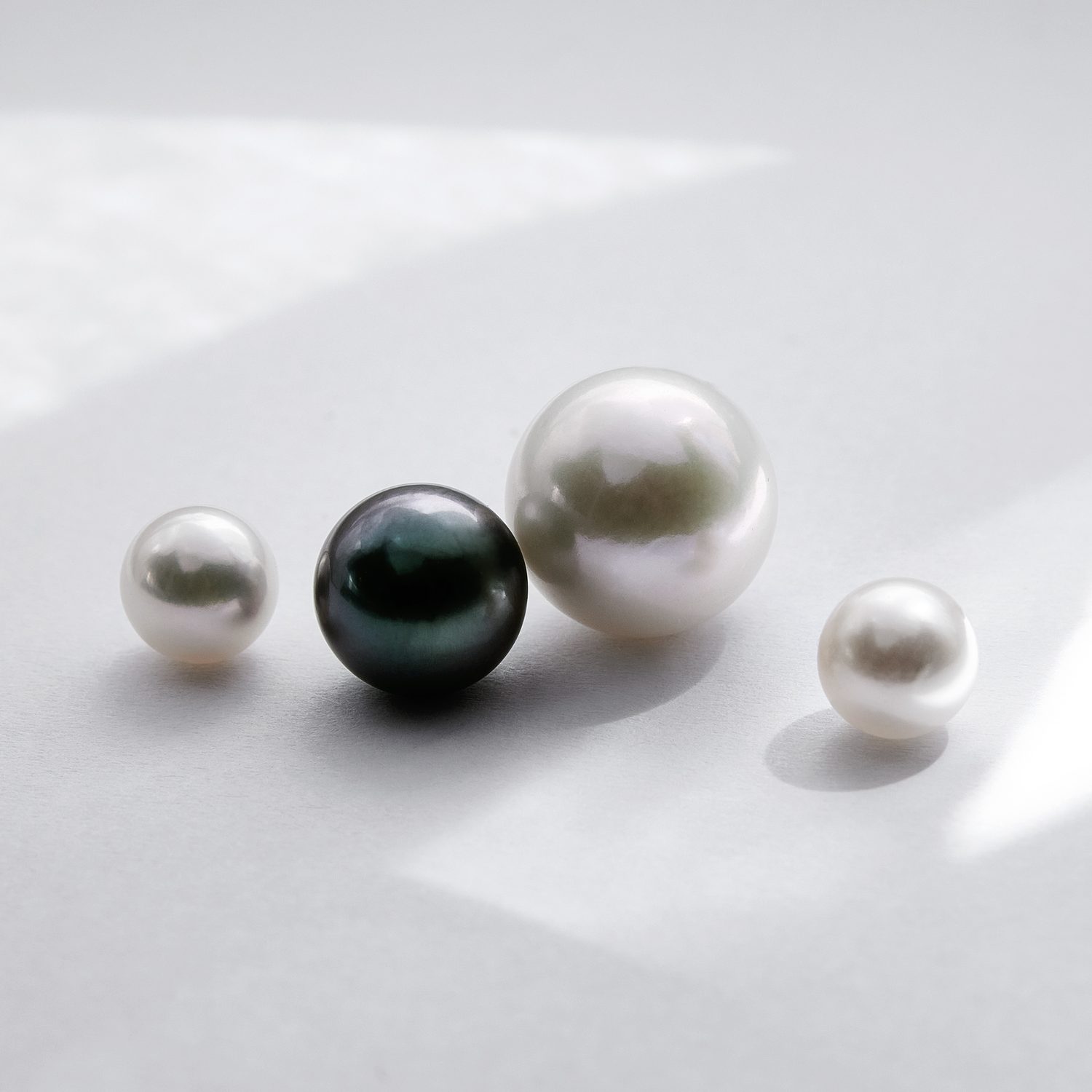
Akoya pearls: These are pearls from the bays and islands of central Japan produced by the Pinctada fucata marine oyster. Akoya pearls are usually smaller with the average size being around 6–8 mm, by exception reaching up to 9 mm. They are highly valued for their regular round shape and distinctive luster. They are usually white or cream in color with a subtle pink, silvery, or sometimes golden hue. The highest quality Japanese Akoya pearls are called hanadama and these stand out for their particularly strong luster and clear surface. For many people, Akoya pearls are the archetype of "wedding pearls" and they are often used in elegant necklaces or pearl earrings that match wedding dresses.
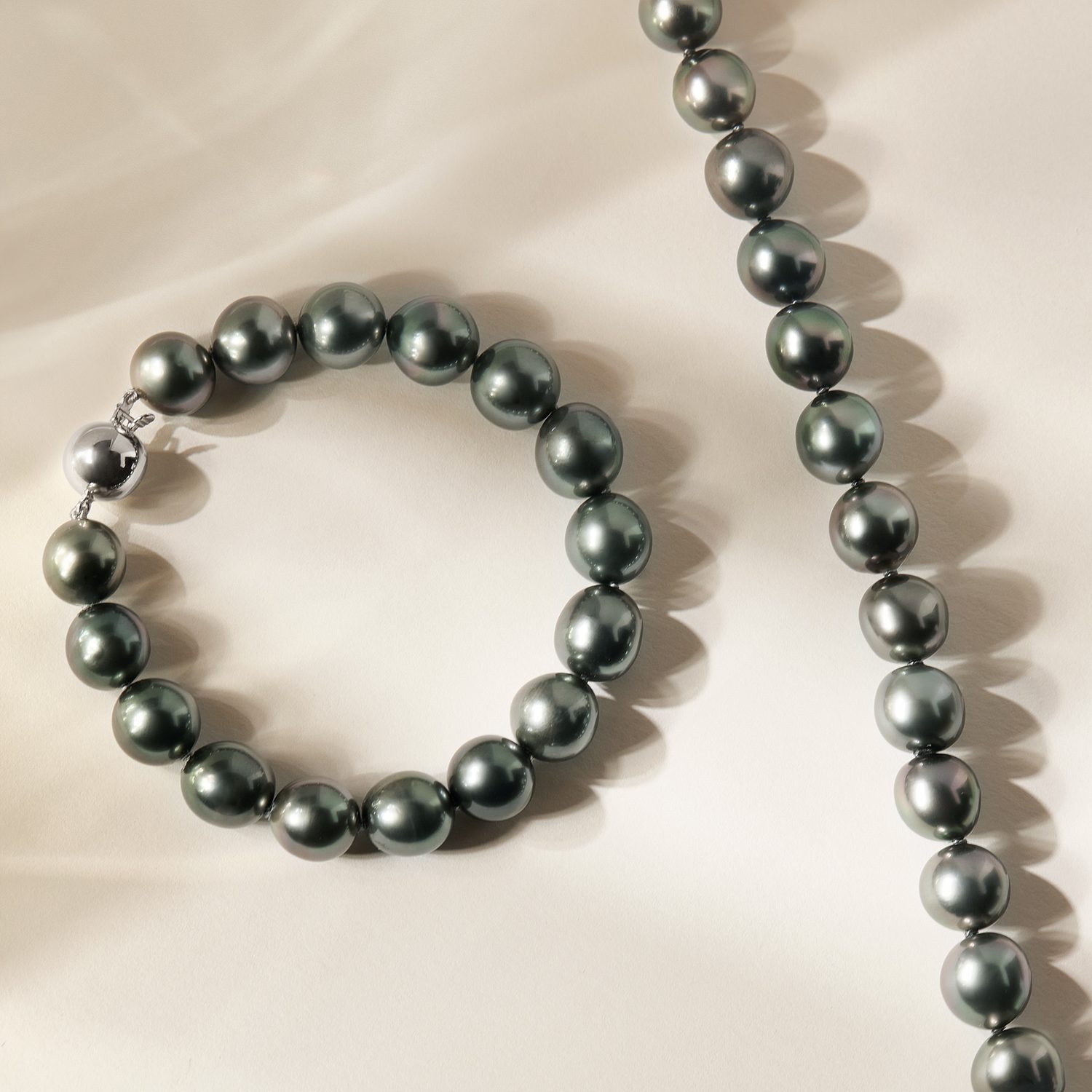
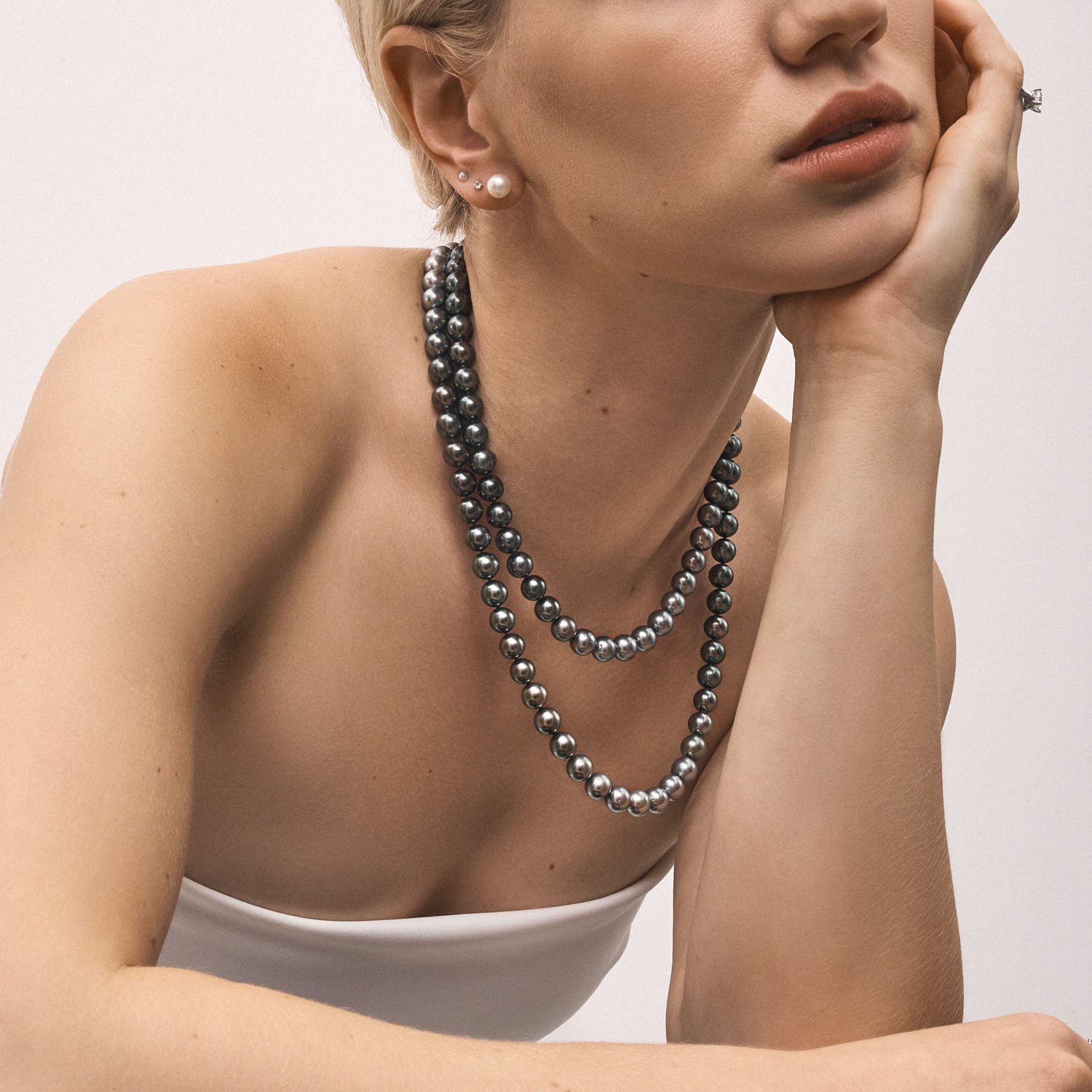
Tahitian pearls: These dark pearls created by the black pearl oyster Pinctada margaritifera which are cultivated in French Polynesia are a symbol of exoticism and luxury. Their base color is usually dark gray to black but they are famous for their iridescent play of light (also called orient) whereby their surface can display shades of green, blue, purple, pink, or even bronze. The most valuable are peacock pearls which are iridescent green-blue color. Tahitian pearls grow to an average size of 9–15 mm. A larger percentage of Tahitian pearls tend to have rings (circular grooves around the circumference) or come in a baroque shape. Perfectly round pieces are very rare and expensive.
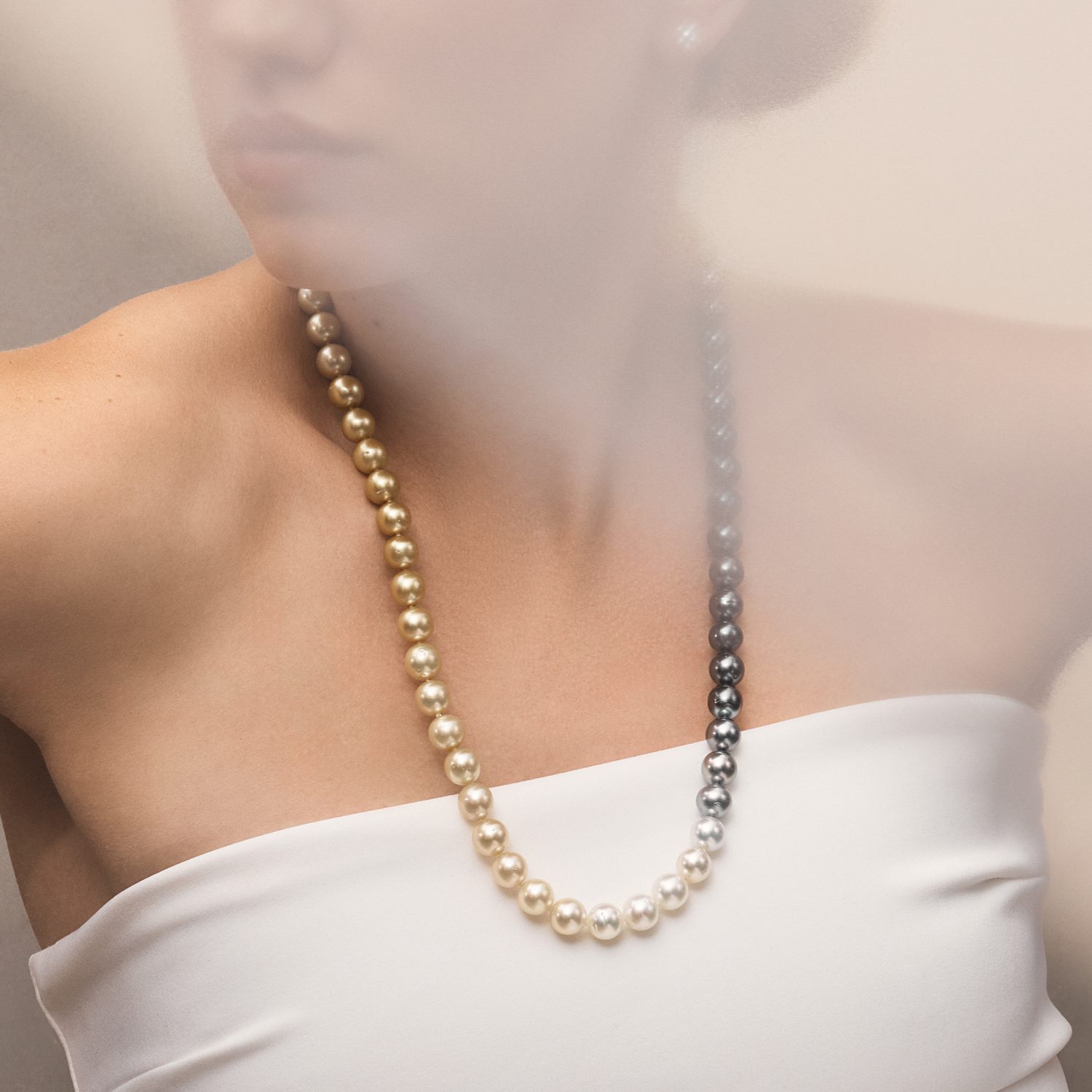
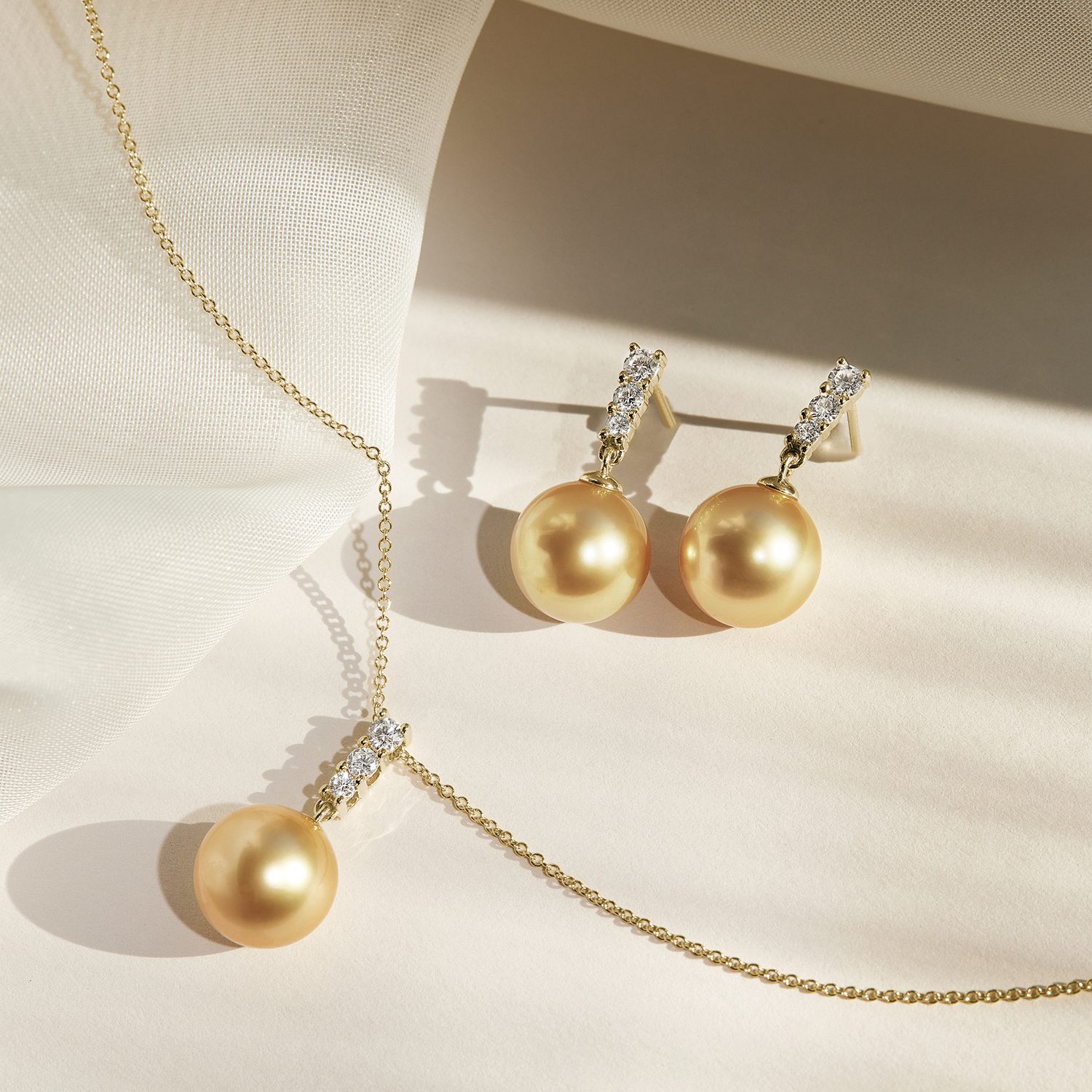
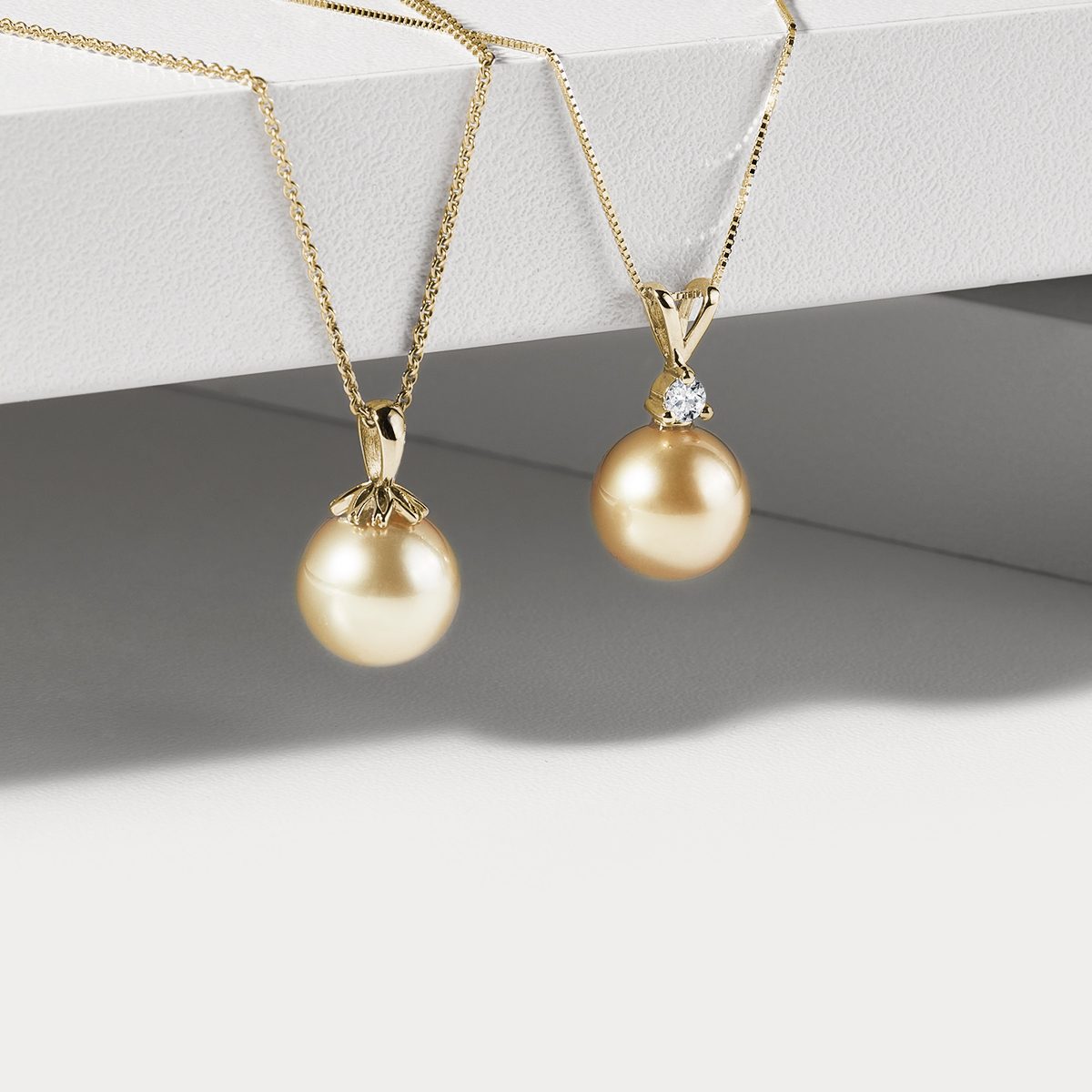
South Sea pearls: South Sea pearls are formed inside Pinctada maxima oysters, the largest of all the pearl producing mollusks (they can grow to the size of a dinner plate). They occur naturally in the southern hemisphere, primarily in northern Australia, Indonesia, the Philippines, Myanmar, and French Polynesia. South Sea pearls have a clearly defined color spectrum from white through cream and all the way to a rich gold color. However, their color is influenced by several factors. The most important is whether the subspecies has a shell rim that’s white or gold. Mollusks with white shell edges, typically found in Australian waters, produce mostly white pearls. In contrast, mollusks with gold edges live in the waters around the Philippines and produce pearls with golden hues. South Sea pearls are noteworthy for their exceptional size and, due to their long cultivation period, they tend to have very thick nacre. These pearls are some of the most expensive and, for many, represent the pinnacle in pearl quality.
Freshwater pearls
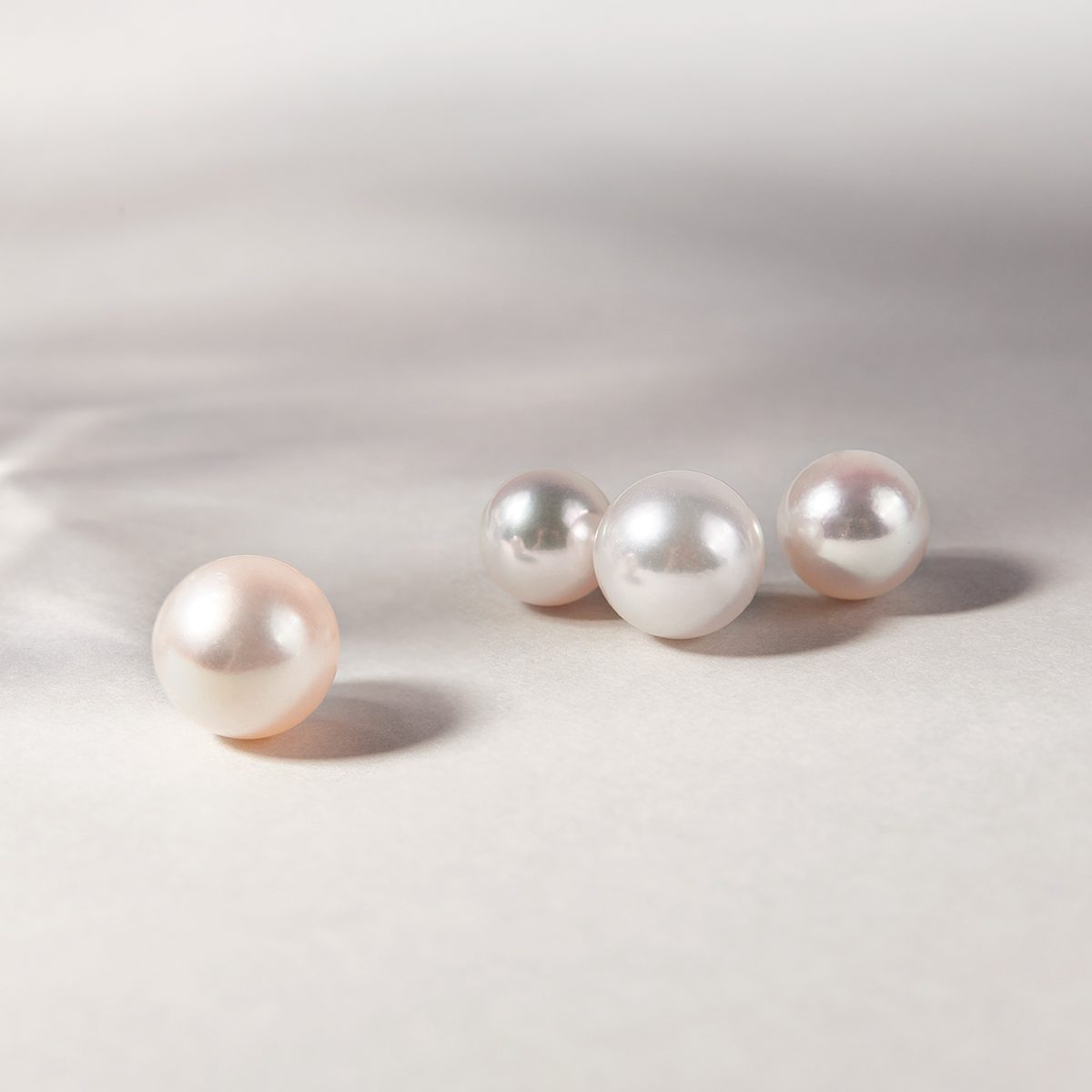
Freshwater pearls most often come from pearl mussels farmed in inland waters in China. Unlike marine pearls, they almost never have a bead nucleus. Instead, multiple small pieces of mantle tissue are surgically inserted into the pearl mussel. Freshwater pearls have been produced in large numbers since the 1980s when China significantly improved their quality. Today, they are extremely popular due to their affordable price and variety. Freshwater pearls are generally around 5–9 mm in size and their natural colors typically range from soft pastel shades of white, cream, salmon pink, apricot, and lavender. Freshwater pearls traditionally have a softer, silky luster, which is more evident in the higher quality ones.
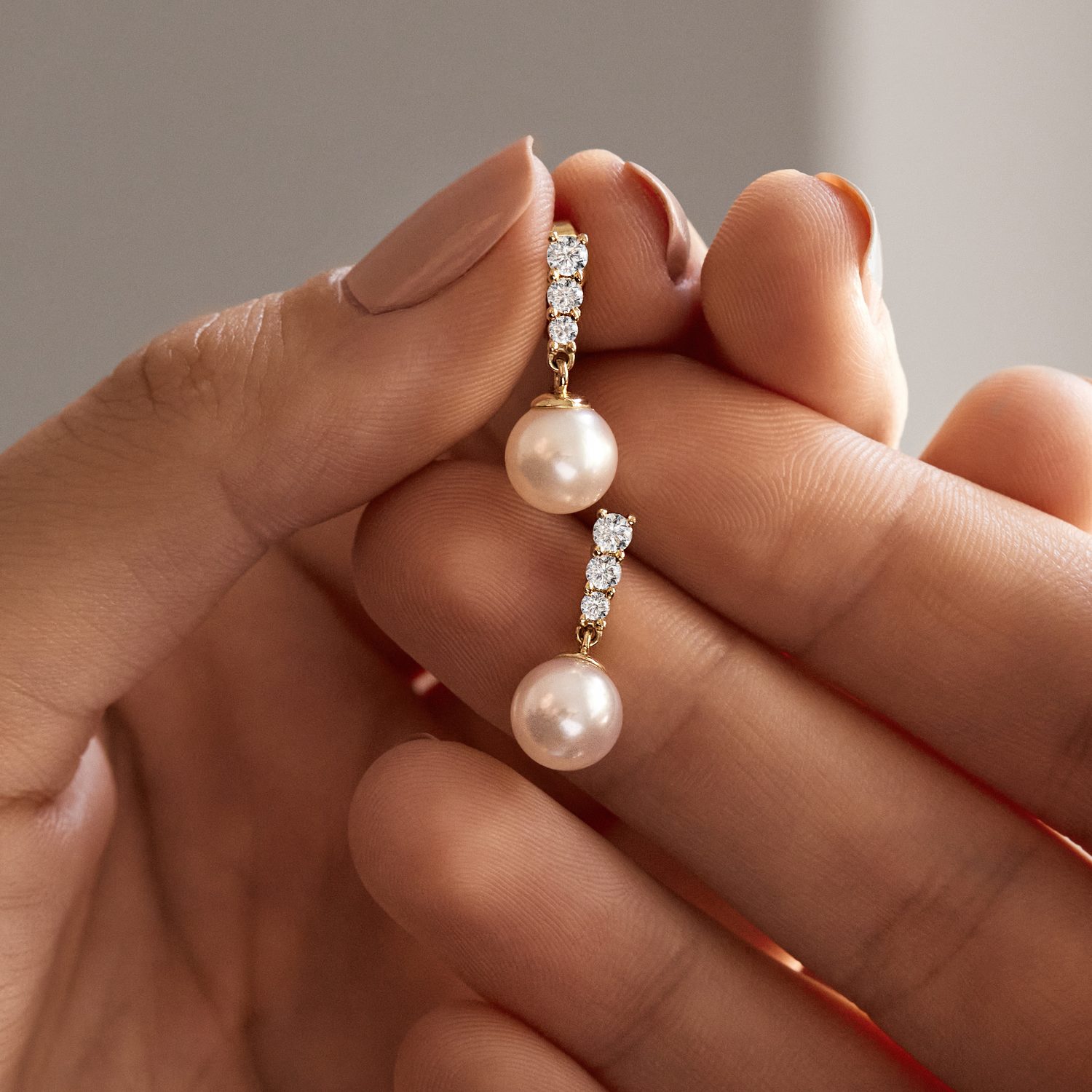
KLENOTA pearl jewelry
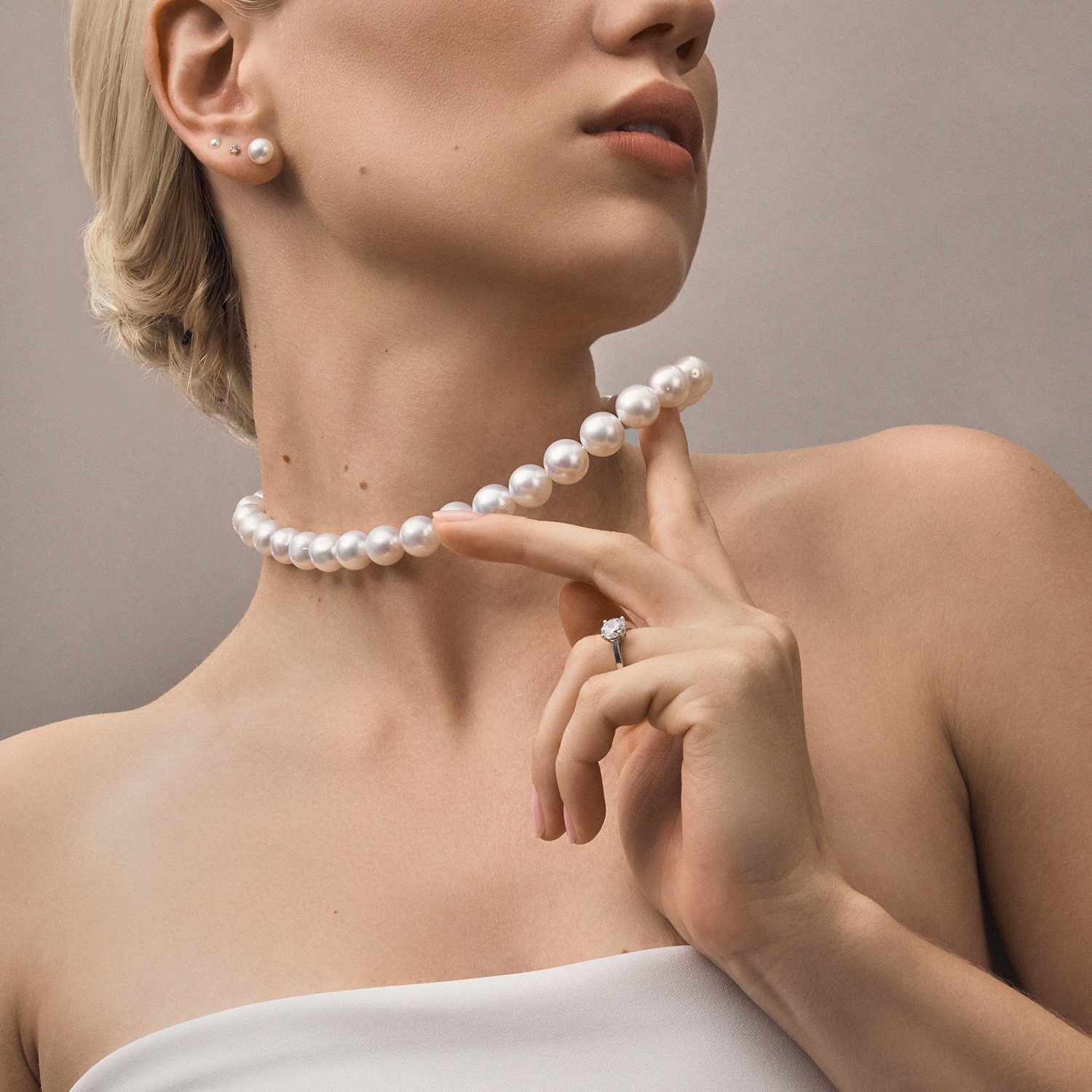
The long-held belief that pearls belong in our grandmothers' jewelry boxes was disproved a long time ago. On the contrary, there is a pearl renaissance currently going on that stems from a desire to express our style in an authentic and individual way. Pearls are very much used in modern jewelry and it is their broad range and variety that has ensured their popularity across all age groups.
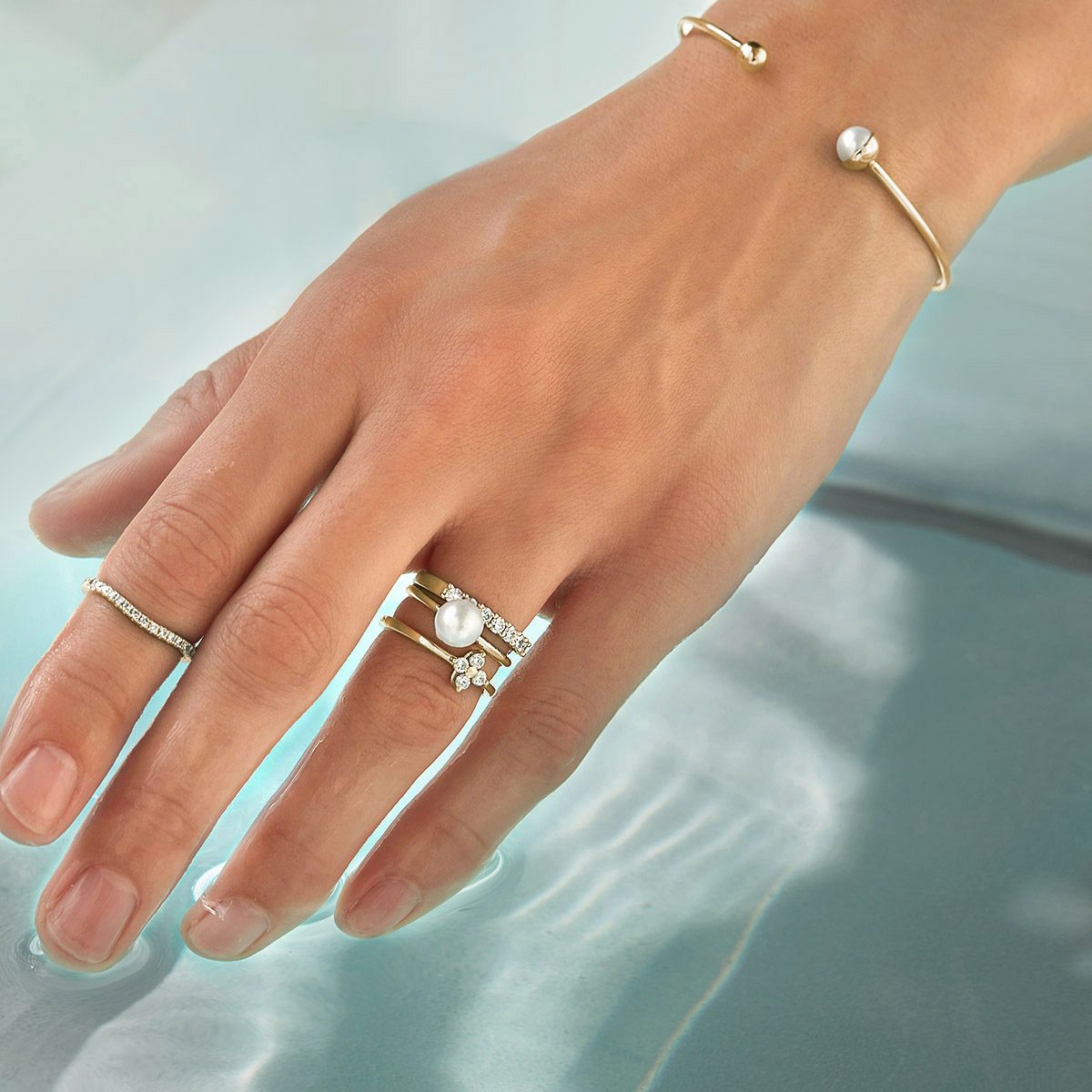
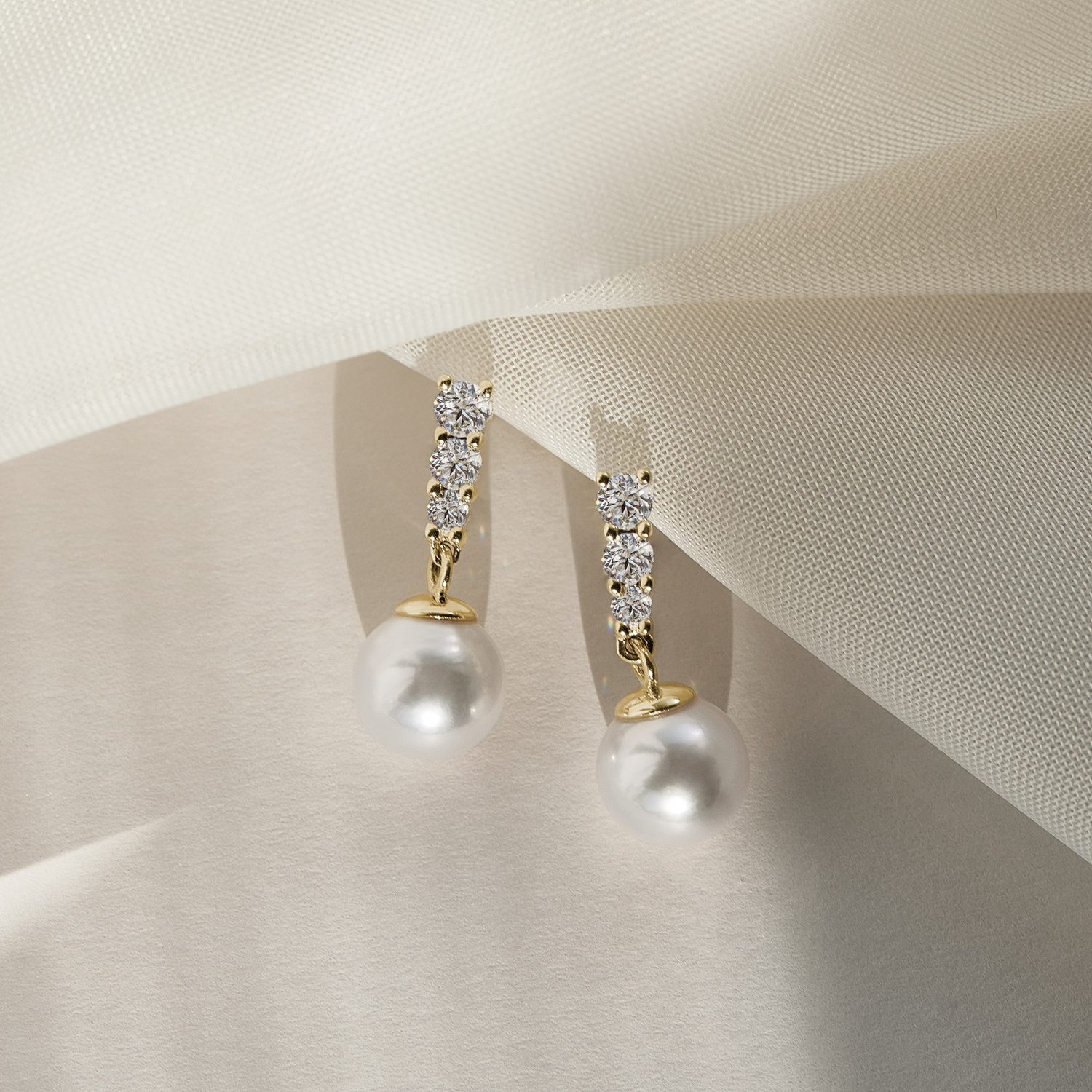
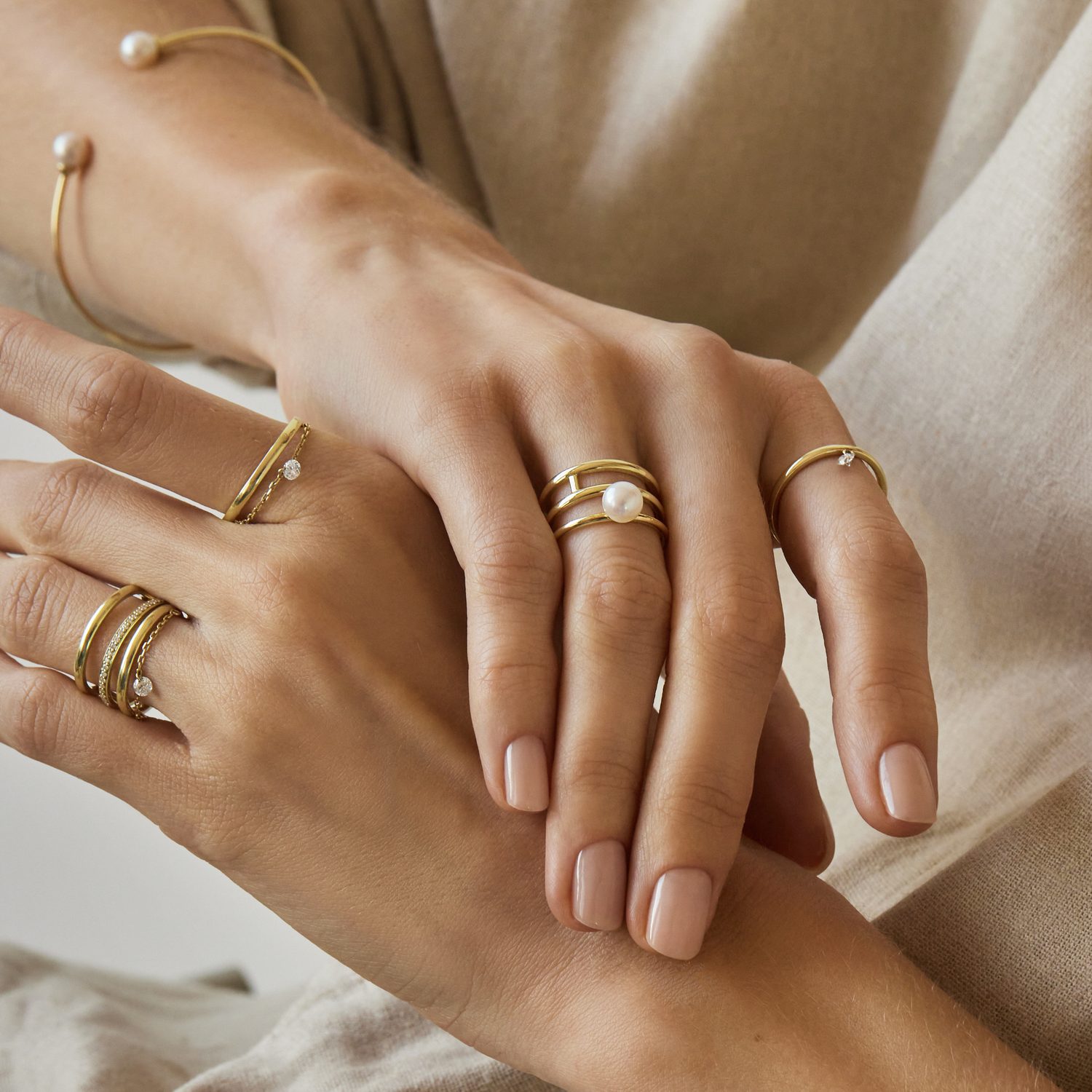
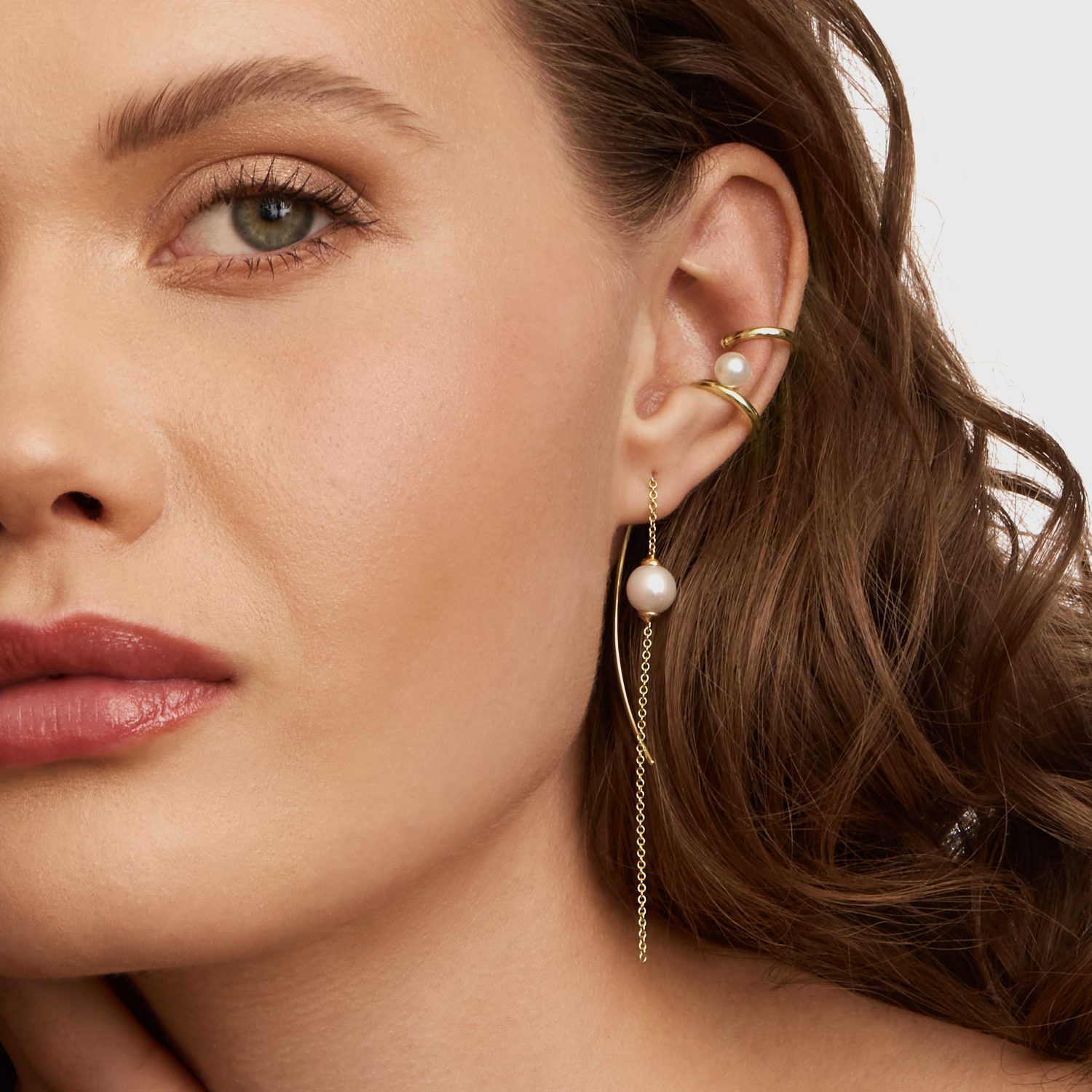
At the KLENOTA studio, we pride ourselves on our extensive knowledge of pearls and pearl jewelry. Our experts purchase pearls at the world's largest trade fairs and then carefully sort, pair, and string or knot them into beautifully matched strands. We focus not only on pieces that are a little more traditional such as classic pearl necklaces, earrings, bracelets, and rings, but our range also includes unique original designs. An excellent example of these is our Rosa designer collection where we have paired pearls with freely suspended diamonds, or our Luster collection, which celebrates minimal designs with a fresh approach.
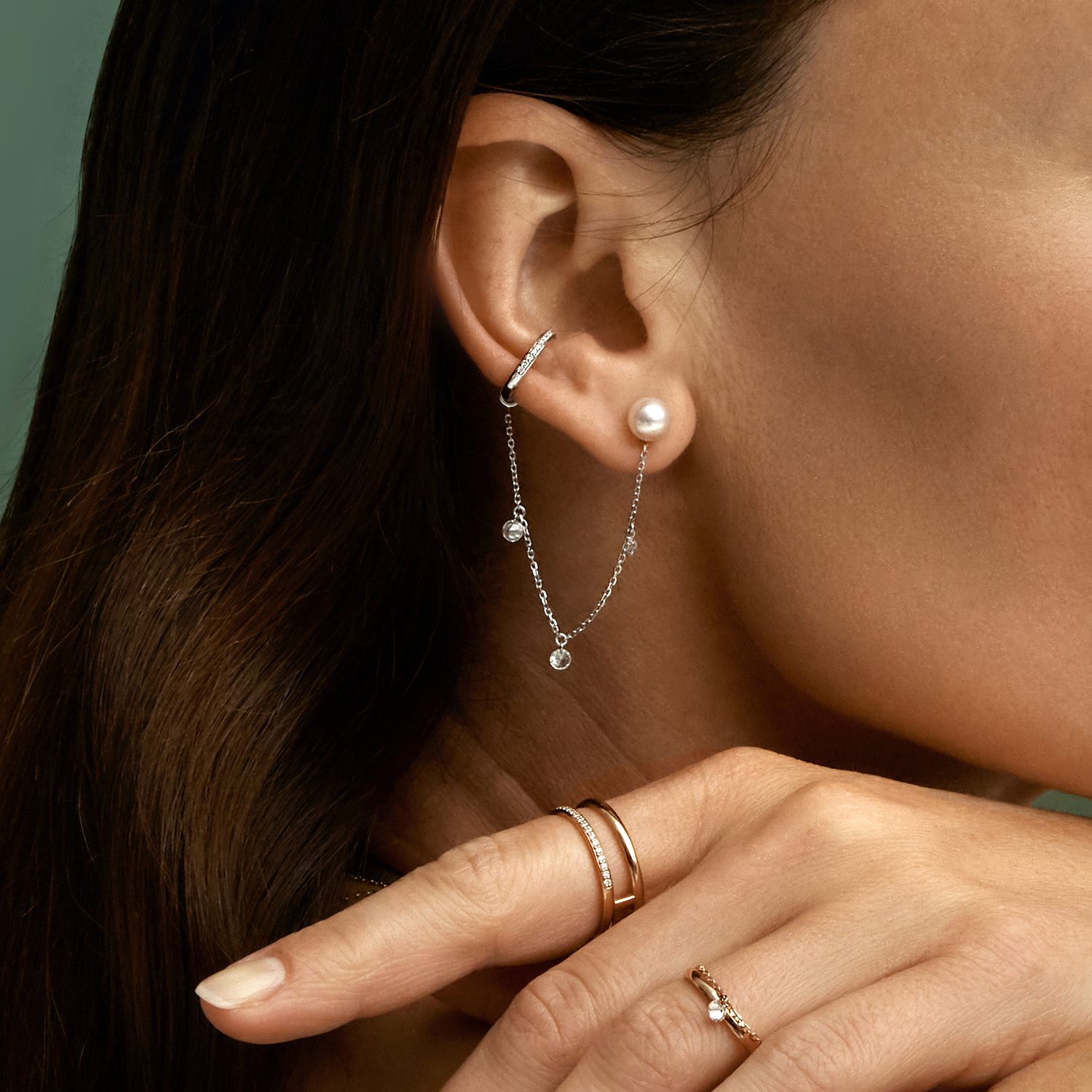
If you own our pearl jewelry and it is starting to show signs of wear, bring it to our showroom at Dušní 6, Prague 1, where we will take care of it for you with loving care. We will clean the pearls and, if necessary, restring them so that you can enjoy them for years to come.
Knotting and restringing a pearl strand
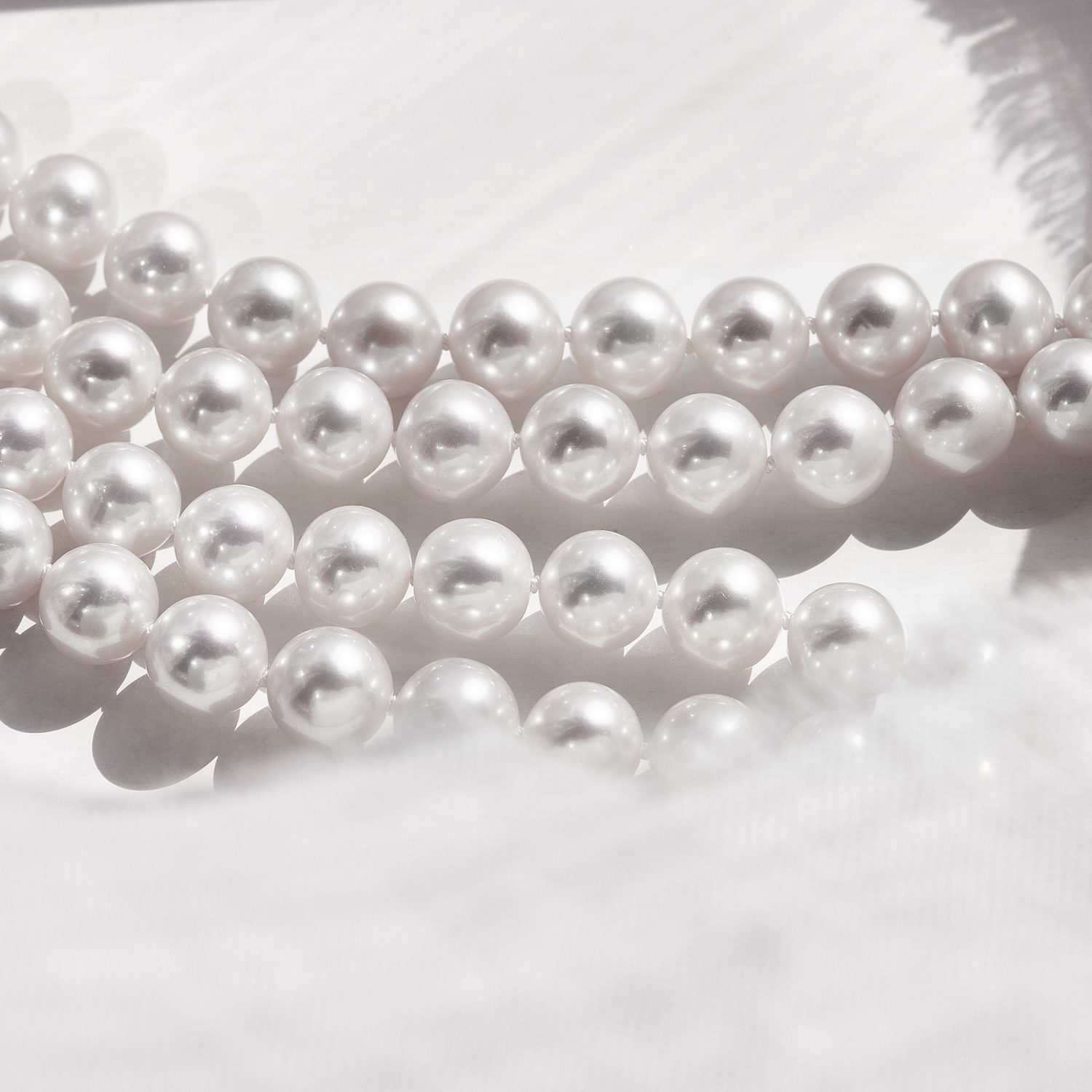
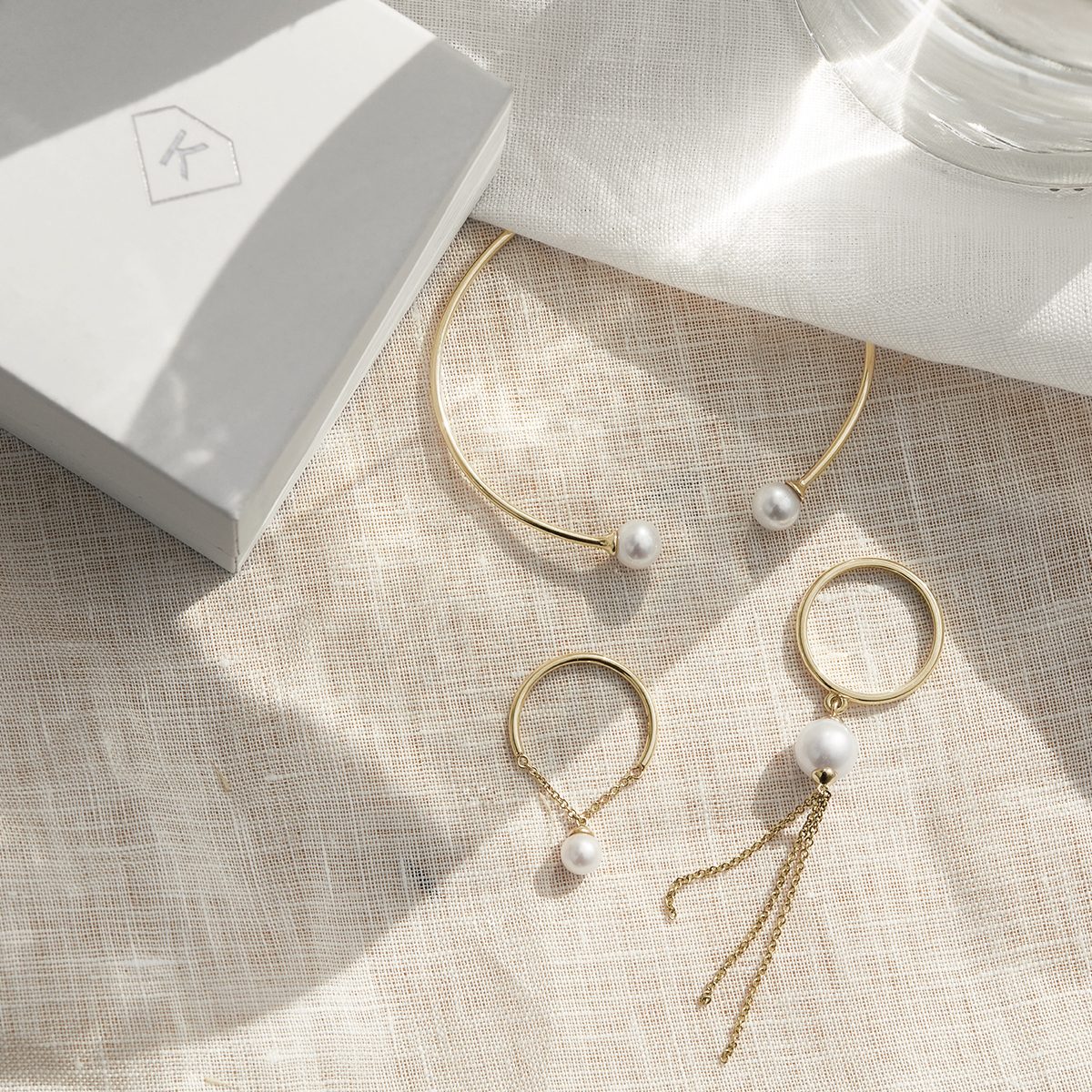
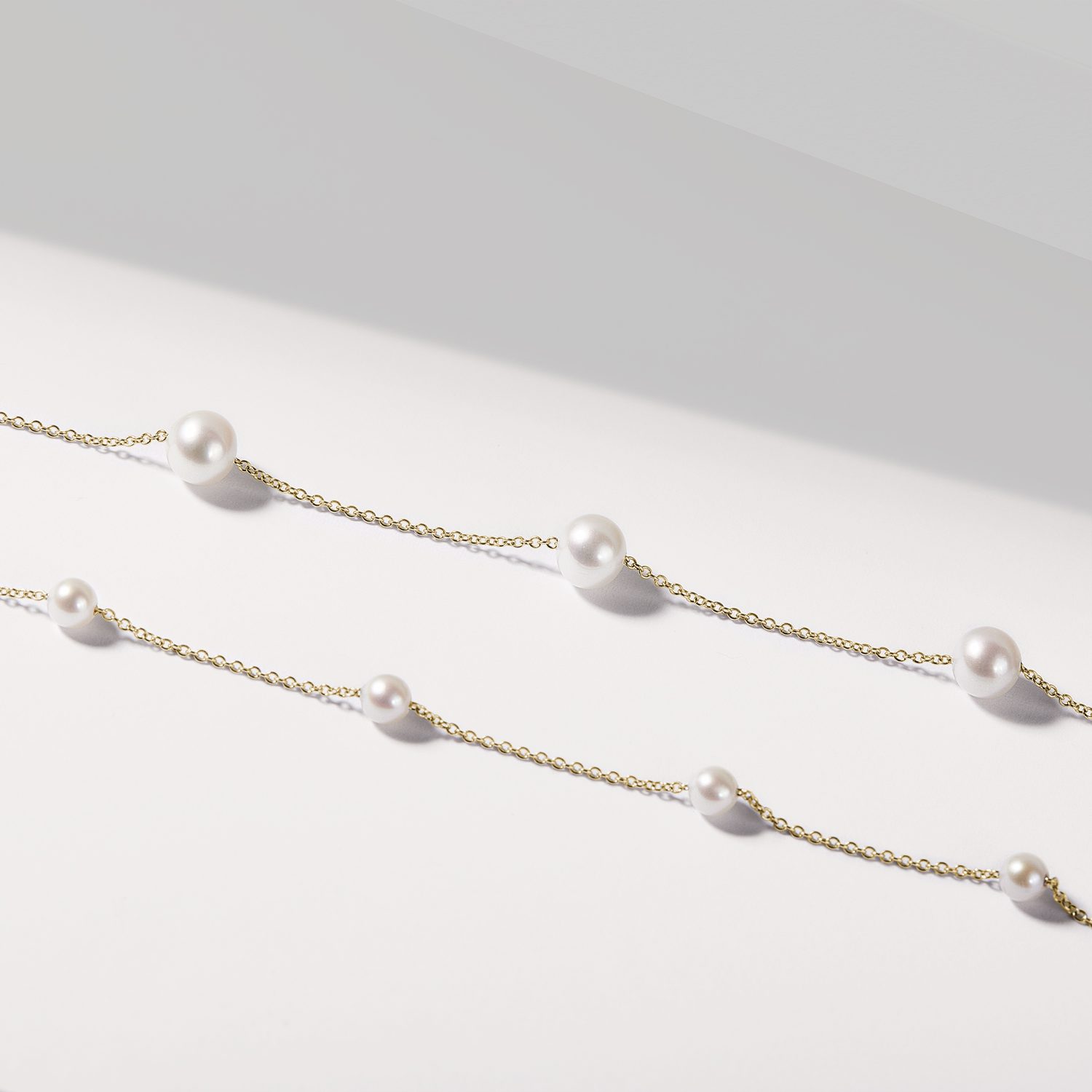
When looking at pearl necklaces, in the first place, check whether the pearls have been knotted. This means that there is always a knot between each pearl so that the pearls don’t move up and down the string. The knots are there to prevent the pearls from rubbing against each other and, if the necklace were to break, from all of them scattering and getting lost. Knotting is a sign of a well-made necklace where thought has gone into not just preserving the beauty of the pearls, but also to extending the longevity of the jewelry.
A good quality pearl necklace should also be tightly strung. This means that if you pull on the string slightly, there should be no gaps between the pearls and knots. If the knots are not tight, the pearl necklace or bracelet will soon start to sag. This makes it look unsightly and may make it break easily.
Caring for pearls
Pearls are beautiful but quite delicate. Their surface can lose its luster or become damaged if they are not handled properly. However, with proper care, pearls can be passed down and enjoyed by future generations. Here are the main rules to follow:
"Last on, first off": Always put on your pearls as the final touch to an outfit after you apply makeup, style your hair, and put on perfume, and then take them off first once you come home. This is because cosmetics, perfumes, hairsprays, and other chemicals can irreparably damage pearls.
Avoid swimming and contact with sweat and moisture: Even though pearls are created in water, excessive moisture, especially from sweat or chemically treated water, can damage them. Therefore, don’t bathe or swim with your pearls at home, in the pool, or in the sea. In addition to the fact that prolonged soaking is not good for the pearls themselves, it can damage and stretch the material which they are strung on.
Protect them from high temperatures and dryness: Heat and dryness are the enemies of pearls. High temperatures can dehydrate pearls and the nacre then loses its luster and may even crack. Never leave pearls in direct sunlight or near a heat source. In an overly dry environment, pearls can "weather" (meaning that they dehydrate), their surface becomes brittle and microscopic cracks can form.
Proper cleaning: Gently clean your pearls after each wear. Take a very soft cloth and lightly wipe the pearls to remove any traces of sweat, oils from your skin, and cosmetics. You can wet the cloth very lightly with clean water and wipe each pearl separately. If the pearls need more thorough cleaning, fill a bowl with lukewarm water and add a drop of very mild soap to it. Dip a soft cloth into the solution and wipe the pearls one by one. Then wipe off the soap with another clean damp cloth and finally dry the pearls with a soft dry cloth. Allow the jewelry to air dry completely before storing it. Never use aggressive cleaners, abrasive powders, toothpaste, vinegar, ammonia, etc. as these will damage the surface of the pearls.
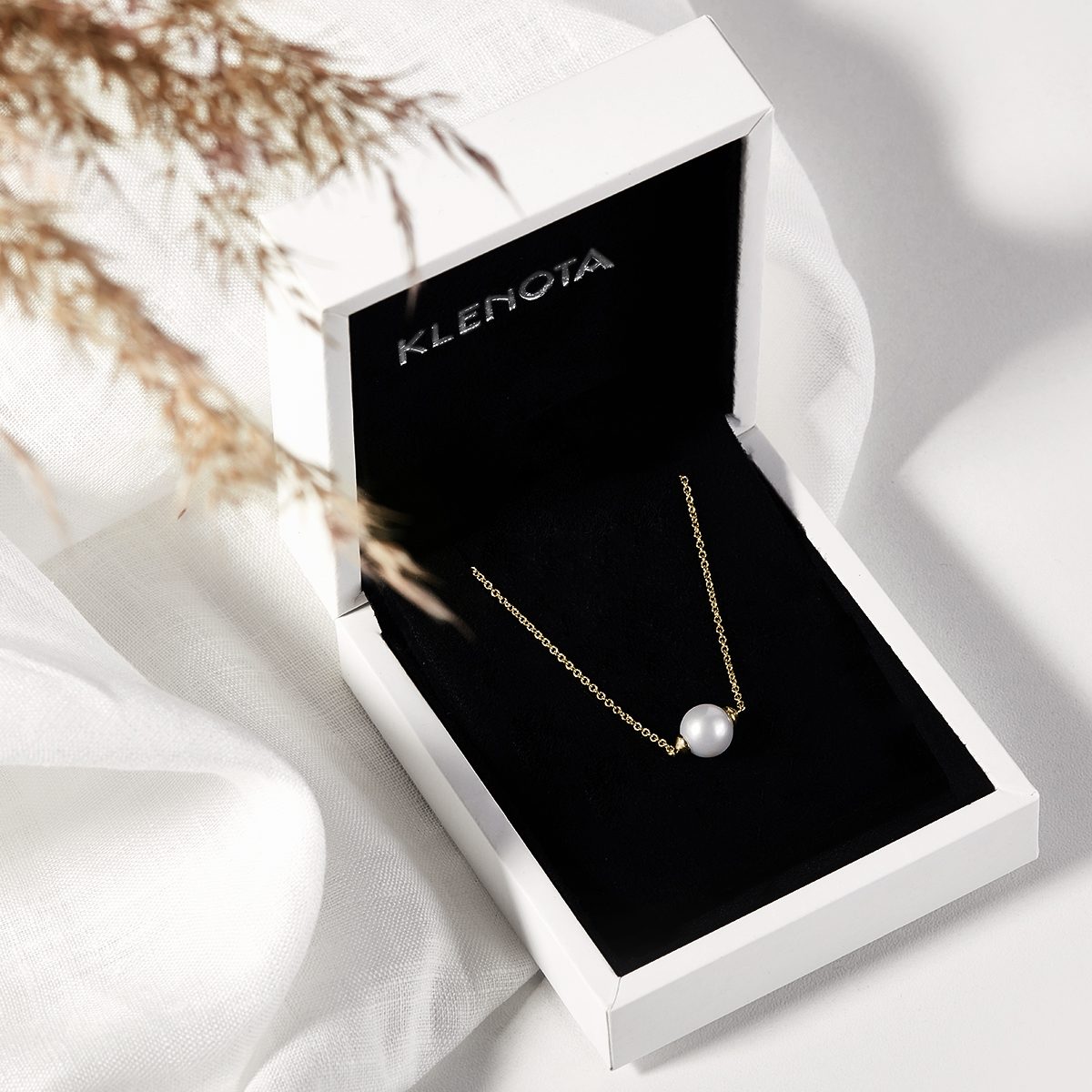
Storing and protecting the pearls: Pearls are soft and scratch easily. You should therefore store them separately from other jewelry, preferably in a velvet or silk pouch or in their original padded box. Don’t leave them loosely stored in a drawer where they could rub against other objects.
HOW CAN I TELL REAL PEARLS FROM FAKE ONES?
Real pearls are not perfectly round or smooth, they have a lot of luster, are heavier, and feel cold to the touch. Fake pearls are usually perfectly round, lighter, smooth, and often have a flaking surface near the hole.
HOW ARE REAL PEARLS CREATED?
Real pearls form inside the shells of marine or freshwater mollusks as a defensive reaction to an unwanted object. Nowadays, however, we most often come across cultured pearls, which are created by inserting a nucleus into the shell of a mollusk—usually a piece of shell polished into a round bead. The mollusk gradually coats the nucleus with layers of nacre until a pearl is formed.
WHAT TYPES OF PEARLS ARE THERE?
Pearls are divided into marine and freshwater pearls. Marine pearls are further split into South Sea pearls, Tahitian pearls, and Akoya pearls based on the area where they are cultivated.
HOW IS THE QUALITY OF PEARLS ASSESSED?
The quality of pearls is determined by their luster, nacre, color, surface, size, and shape. For all pearls except Tahitian pearls, a scale from A to AAA is used, while Tahitian pearls are graded from A to D. The thicker the layer of nacre, the greater the luster and value of a pearl.
HOW DO YOU CARE FOR PEARL JEWELRY?
Pearl jewelry should be stored separately from other jewelry, ideally in a soft case. Contact with perfume, hairspray, and acids should be avoided. Pearls are best cleaned with a soft damp cloth and should also be professionally inspected from time to time.
WHAT DOES KNOTTING A PEARL NECKLACE MEAN?
In a pearl strand, knotting means that there is a knot between each pearl. This prevents the pearls from rubbing against each other and stops them from scattering if the string breaks. Knotting is a sign of quality pearl jewelry since it not only preserves the beauty of the pearls but also extends the life of the string the pearls are strung on.